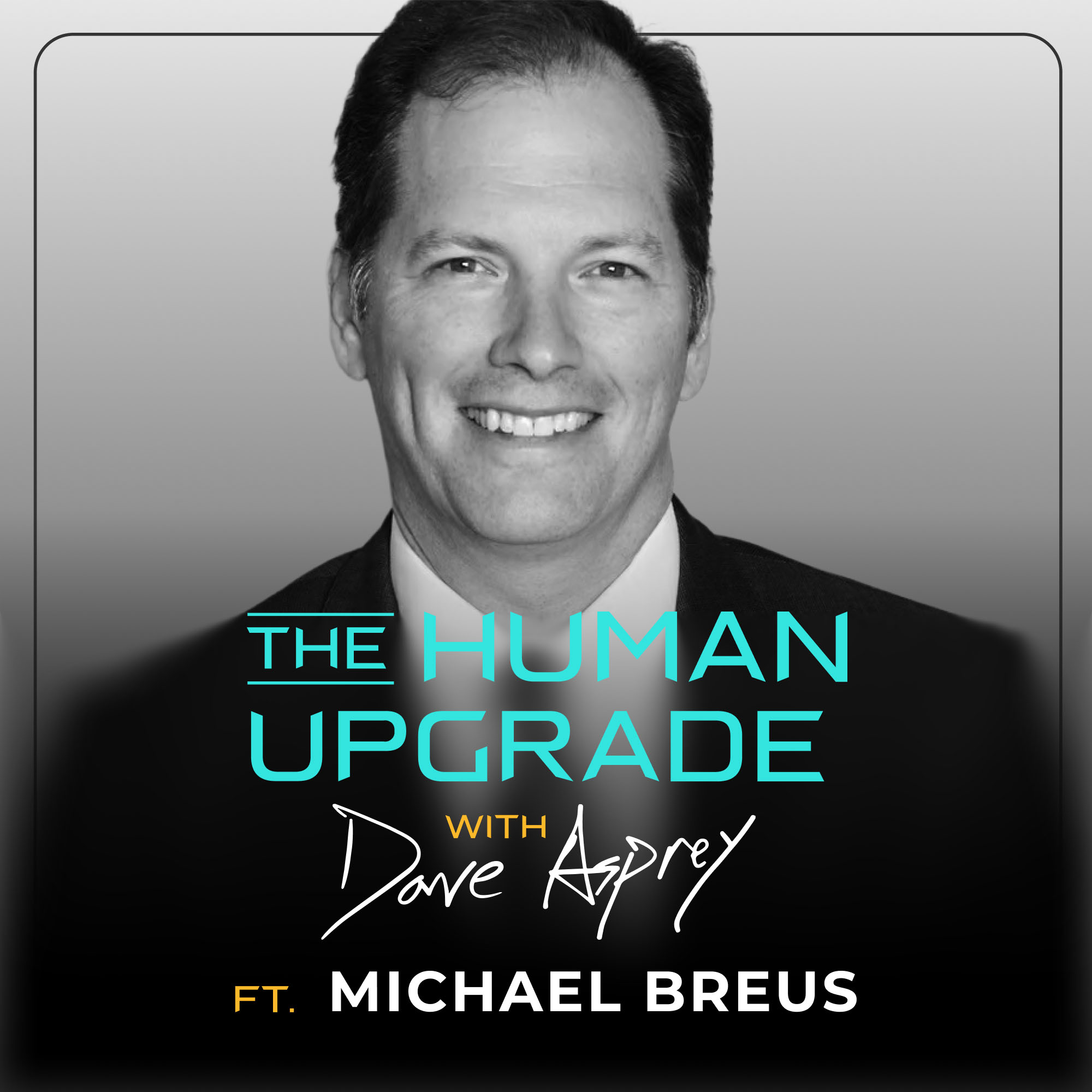
Host Dave Asprey sits down with Dr. Michael Breus, clinical psychologist, sleep specialist, and internationally recognized sleep expert known as The Sleep Doctor, to explore insomnia, sleep anxiety, circadian rhythms, chronotypes, nighttime awakenings, temperature regulation, sleep medications, wearable sleep trackers, and the science of improving sleep quality.
The conversation challenges conventional thinking about sleep, including whether everyone needs eight hours, why trying harder to fall asleep can make insomnia worse, and how the body’s internal clock influences energy, productivity, and recovery.
Dr. Breus explains why he believes fear and anxiety contribute to a substantial proportion of sleep problems. He describes how worrying about falling asleep, waking up at 3 a.m., or feeling exhausted the next day can create a cycle of stress that makes restful sleep increasingly difficult. Dave and Michael explore how cognitive behavioral therapy, emotional regulation, and changing your relationship with sleep may help break that cycle without relying exclusively on medication.
They also examine the science of chronotypes, the biological differences that influence when people naturally feel alert or sleepy. Michael explains why aligning sleep, work, meals, and exercise with your individual circadian rhythm may improve sleep efficiency and daytime performance. Dave shares how changing his exposure to artificial light and adjusting his daily routines helped him shift from being a night owl to maintaining an earlier bedtime.
The discussion then turns to the three physiological conditions Michael considers essential for falling asleep: lowering core body temperature, reducing heart rate, and decreasing anxiety. He explains why simply turning down the thermostat may not be enough to cool your body under the covers, how temperature-controlled mattresses can support thermoregulation, and why something as simple as warming your feet may help your body release heat.
Dave and Michael also discuss blue light, nighttime lighting, and the environmental signals that regulate circadian timing. They examine why light exposure, meal timing, exercise, temperature, and social interaction can influence the body’s internal clock, along with the limitations of conventional blue-light-blocking glasses.
The conversation explores why sleeping pills may fail to address the underlying causes of chronic insomnia, how nighttime awakenings can trigger negative thinking, and why the fear of being tired may sometimes become more disruptive than the tiredness itself. Dave shares his experience deliberately restricting sleep while building his businesses, and Michael explains the difference between temporarily functioning with less sleep and maintaining healthy sleep habits over the long term.
They also challenge the growing obsession with sleep scores, deep sleep measurements, and wearable tracking devices. Michael explains why consumer sleep trackers cannot provide the same measurements as a clinical sleep study, why individual sleep-stage estimates should be interpreted cautiously, and why how you feel in the morning remains an important indicator of sleep quality.
Finally, Dave and Michael examine emerging research on creatine supplementation and sleep deprivation, including whether creatine can temporarily support cognitive performance after insufficient sleep. They discuss the potential benefits, limitations, and risks of using supplements to compensate for lost sleep, emphasizing why improving sleep quality should remain the priority.
This episode is essential listening for anyone interested in insomnia, sleep anxiety, waking up at 3 a.m., circadian rhythms, chronotypes, sleep optimization, blue light, temperature regulation, sleep medications, cognitive behavioral therapy, wearable sleep trackers, deep sleep, creatine, cognitive performance, longevity, and the science of getting better sleep.
You’ll Learn:
- Why Dr. Michael Breus believes fear and anxiety contribute to many sleep problems, and how worrying about sleep can make insomnia worse
- How your chronotype influences your ideal bedtime, wake-up time, energy levels, and the amount of sleep you may need
- Why lowering body temperature, heart rate, and anxiety can help you fall asleep faster and improve sleep quality
- How nighttime light exposure, meal timing, exercise, and bedroom temperature influence circadian rhythms and sleep
- Why waking up at 3 a.m. can trigger negative thinking, and how changing your response to nighttime awakenings may help
- What sleep trackers get wrong about deep sleep, how to interpret your sleep data, and whether creatine can help when you’re sleep-deprived
Dave Asprey is a four-time New York Times bestselling author, founder of Bulletproof Coffee, and the father of biohacking. With over 1,000 interviews and 1 million monthly listeners, The Human Upgrade brings you the knowledge to take control of your biology, extend your longevity, and optimize every system in your body and mind. Each episode delivers cutting-edge insights in health, performance, neuroscience, supplements, nutrition, biohacking, emotional intelligence, and conscious living.
New episodes are released every Tuesday, Thursday, Friday, and Sunday (BONUS). Dave asks the questions no one else will and gives you real tools to become stronger, smarter, and more resilient.
Keywords: Michael Breus, Dr. Michael Breus, The Sleep Doctor, Dave Asprey, The Human Upgrade, sleep expert, insomnia, sleep anxiety, sleep disorders, sleep problems, sleep quality, sleep optimization, how to fall asleep, waking up at 3am, circadian rhythm, chronotypes, sleep cycles, sleep deprivation, deep sleep, REM sleep, blue light, blue light blocking glasses, bedroom temperature, thermoregulation, sleep trackers, Oura Ring, sleep scores, cognitive behavioral therapy, sleeping pills, creatine, cognitive performance, biohacking, longevity
Resources: