- The biggest mistake people make when they first go keto is focusing on macros without paying attention to the quality of food.
- It doesn’t work. You lose a little weight, but not as much as you know you could. Brain fog starts to creep back in. Something’s not right.
- When you don’t pay attention to food quality, you overload your body with toxins.
- Here are seven toxic compounds that you’re probably eating on dirty keto.
The biggest mistake people make when they first go keto is focusing on protein, fat, and carbs only. You might think that if you stay under 20, 30, or 50 grams of carbs, whatever you’ve set your limit to be, you’ll get all of the weight loss, clear mind, and craving-crushing benefits of keto.
Great news, right? Now you can make pizza crust out of cheese, you can have a bowl of bacon for dinner, and you can drink blue sugar-free sports drinks until you float away.
Except, it doesn’t work. You start to lose weight at first, and after the adjustment period, your cravings go away and you’re starting to think more clearly. Until it all stalls out. You lose a little weight, but not as much as you know you could. Brain fog starts to creep back in, and you can’t remember where you put your car keys.
Since dirty keto doesn’t make any restrictions on packaged food, meats from dirty sources, or damaged fats, you end up loaded with toxins, and your body has to work extra hard to get rid of them.
Here are seven toxic compounds that you’re probably eating on dirty keto.
Instantly download your Keto Meal Plan, your guide to getting started with a keto diet that won’t make you weak.
7 Toxins You’re Eating on Dirty Keto
Heterocyclic amines (HCA) and polycyclic amines (PAH)
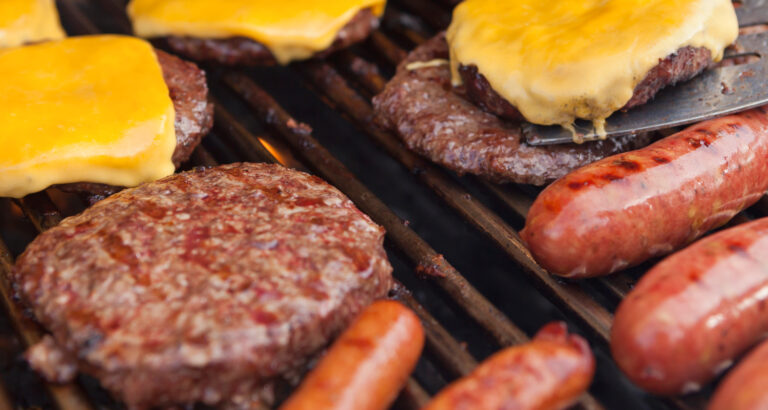
People tend to pile on the meat when they first go low-carb. Not many keto beginners know that cooking temperature affects how clean or toxic your meat is, even when it’s the best grass-fed, organic source you can find.
When you cook at temperatures higher than 320 degrees, a couple of processes begin. First, the natural amino acids, creatine, and sugars react on the surface of the meat, which produces heterocyclic amines (HCA). On top of that, when burned particles stick to the outside of the meat, as it does when you cook over an open flame, you end up with polycyclic aromatic hydrocarbons (PAH).
Both of these compounds cause changes in DNA, which you don’t want. You can read more about those compounds here.
Nitrates and nitrites
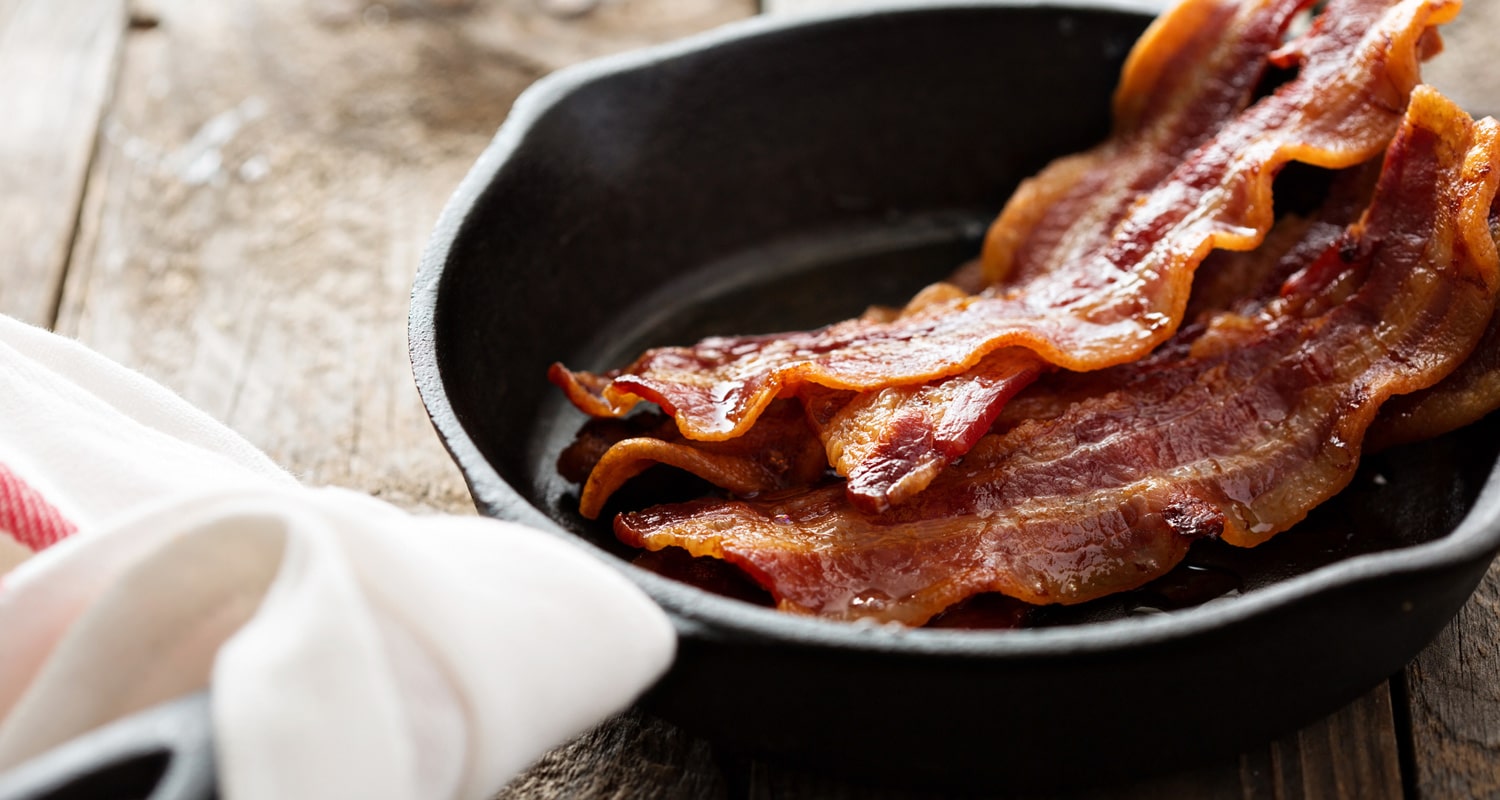
Depending on the food it’s in and how it was cooked, these nitrites can form helpful compounds like nitric oxide (NO) or carcinogens called nitrosamines. Your body can deal with a little bit of nitrosamine, but if you’re reaching for bacon and pepperoni every day, you might tip the balance into the danger zone.
You can read more about nitrates and nitrites here.
Artificial sweeteners
The thing is, manufacturers make most low-carb, sugar-free treats with artificial sweeteners like:
- Acesulfame potassium (also listed as ACE K, ace, acesulfame K, APM)
- Aspartame
- Saccharin
- Sucralose
Those have been associated with damage to the gut lining, cancer, liver burden, and more.
You don’t have to give up sweets. Here are Bulletproof-approved sweeteners that aren’t made with damaging chemicals that make you weak.
Mercury
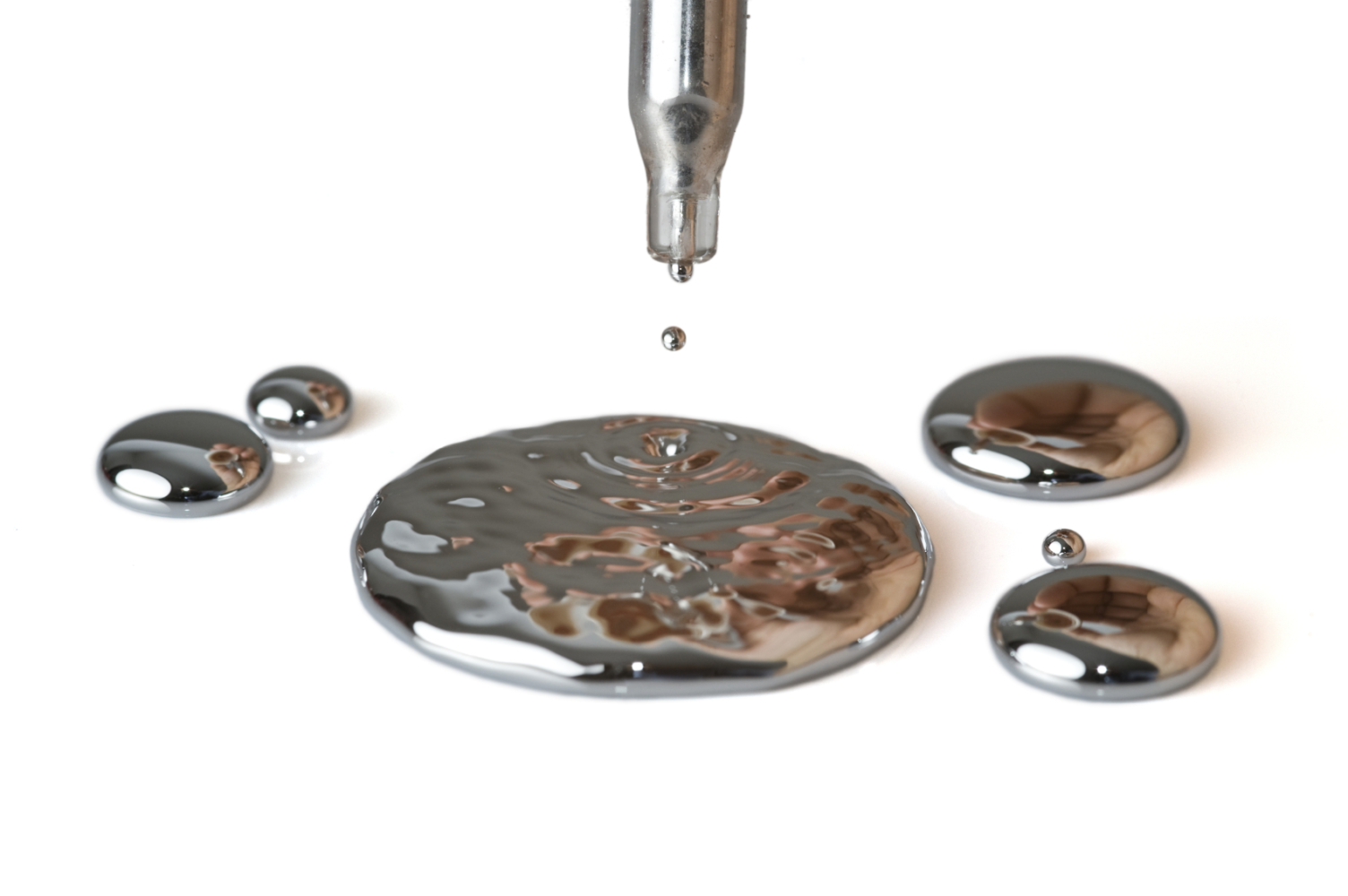
Fish absorb mercury in the water, and they don’t efficiently get rid of it. When a big fish eats a small fish, the big fish ingests the smaller fish’s mercury, along with the mercury it already had from being in contaminated water.
The longer the big fish has been eating, the more mercury it has. That’s why you can assume that big fish, like sharks, have a lot of mercury in their cells.
To avoid mercury, eat wild-caught, smaller fish from clean waters. You can read more about mercury here.
Damaged fats
Bisphenol-A (BPA)
Bisphenol-A (BPA) is found in a lot of plastics and in the coating on the inside of cans that keeps the acids in foods from rusting the metal. Studies show that BPA can lead to insulin resistance and obesity, diabetes, decreased sperm count, and hormone disruption.
Not a big deal unless you eat plastic, right? Not exactly — BPA leaches into food and beverages.
A lot of people come to keto for convenience. If you’re eating dirty keto, you’re probably eating a lot of packaged foods. You can grab a low-carb protein bar and a can of diet soda from the gas station and call it lunch. But there’s a good chance the bar’s wrapper and the lining of the cup contain BPA. On dirty keto, you can order a triple bacon cheeseburger with no bun from the drive-thru and there’s a good chance the paper your patties are wrapped in contain BPA.
When you clean up your keto, and you’re eating foods in their whole form that you prepared yourself, you automatically don’t have as much BPA in your life.
More dirty keto ingredients that make you weak
- Glyphosate
- Refined vegetable and seed oils
- Food coloring and dyes
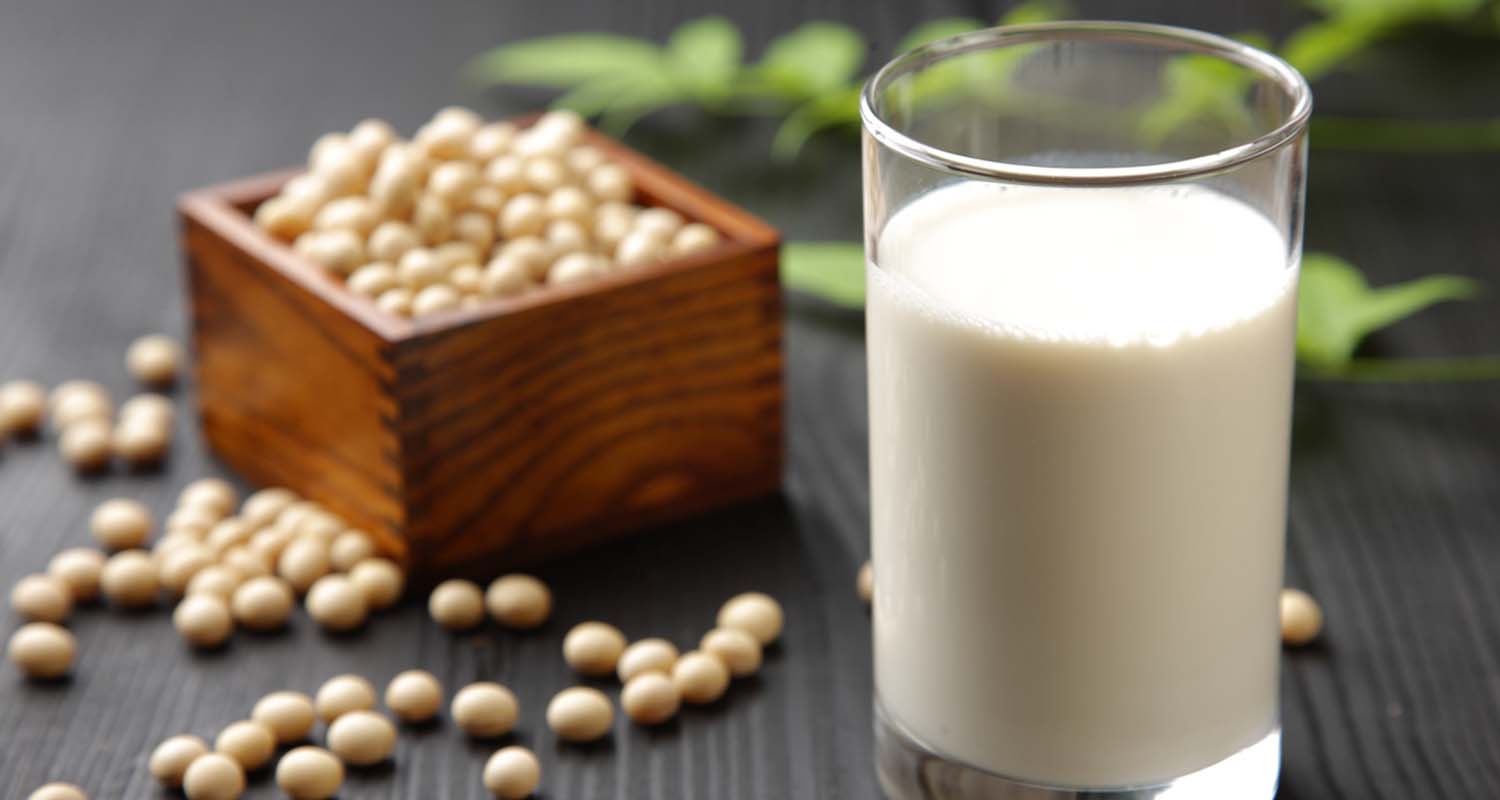
- Soy
This isn’t intended to make you paranoid. Instead, use what you know to turbocharge your progress. Cut out the crap, and watch how fast the rest of the weight melts off. Watch your brain light up like never before. Everything gets easier, you’ll enjoy life more, and no doubt you’ll enjoy what you’re eating more. After a few weeks, you won’t go back to convenience foods.