Today, we welcome internationally acclaimed keto and ancestral nutrition specialist Nora Gedgaudas, CNS, NTP, BCHN as a guest author on the Bulletproof Blog. You can listen to her chat live with Dave at PaleoFX on this episode of Bulletproof Radio (iTunes).
Are Humans Vegans or Omnivores? The Answer is All in Your Head
by Nora Gedgaudas, CNS, NTP, BCHN

After experiencing detrimental health and mental health effects from my own foray into veganism, I became determined to find out what foods worked best for my biology.
My interests ultimately shifted toward studying the foundational roots of prehistoric ancestral diets, along with the various selective pressures that served to shape our physiological makeup and most basic nutritional requirements as humans. I sought to answer the question: Is human health enhanced or best supported by a strictly (or mostly) herbivorous diet?
Keep reading to find out how I found veganism, why I gave it up, and how a close examination of the human ancestral diet over thousands of years helped me realize that my body’s cravings for animal products weren’t a personal failure — they were biological.
Instantly download the Bulletproof Diet Roadmap, your cheat sheet to finding out which foods work with your unique biology.
Why I became vegan in the first place

For a time, I fully attempted adopting these approaches in the best quality and strictest possible way, which resulted in a near catastrophic failure in my health and well being. What began with positive effects rapidly led over the course of a year or two to woefully diminishing returns. My struggles with depression deepened to the point of near suicidality, and I even developed an eating disorder for a time. For the first time, I began experiencing panic attacks. What started out as some potentially positive early detoxification effects eventually gave way to a complete loss of vitality and mental clarity.
RELATED: Things You Should Know Before Going Vegan
Persistent cravings for animal source foods left me feeling guilty. I felt like a complete failure when I finally succumbed to those cravings. Eventually, I abandoned what was then my ideal for what I begrudgingly had to concede worked far better for me. I automatically assumed the fault lay with some odd abnormality in my biochemical makeup or perhaps just an intrinsic weakness of my own self-discipline and character. I struggled internally with my failure. But I soon realized that this was faulty thinking.
Historical diets of primates and early humans
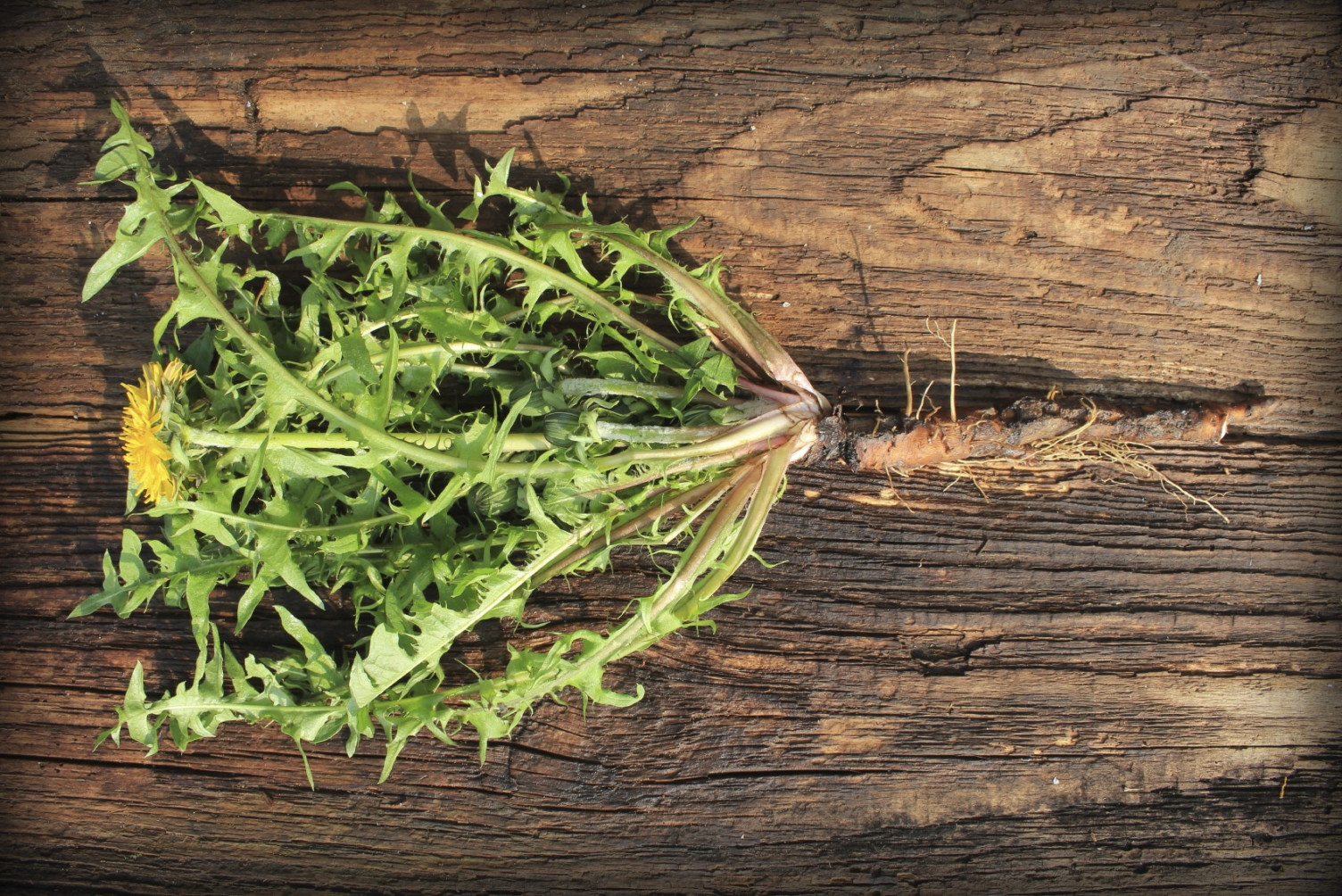
The only problem with this notion is that our closest great ape ancestors never quite got that memo. It turns out that all great apes (with one notable exception) regularly hunt, kill and consume some meat (comprising up to 20% of their diets).[ref url=”https://books/.google.com/books/?hl=en&lr=&id=weoc7eW9kCIC&oi=fnd&pg=PP17&dq=Stanford,+Craig+B.+%22The+Hunting+Apes:+Meat+Eating+and+the+Origins+of+Human+Behavior.%E2%80%9D++Princeton+University+Press+(February+25,+2001)&ots=qNqibQ1OO_&sig=rgfZp7fgqGIHKq1BPzflgkuZcIA#v=onepage&q&f=false”] With a cursory search on YouTube, you’ll find a plethora of very strong and difficult to watch footage clearly showing just that.
Dietary changes and brain size changes
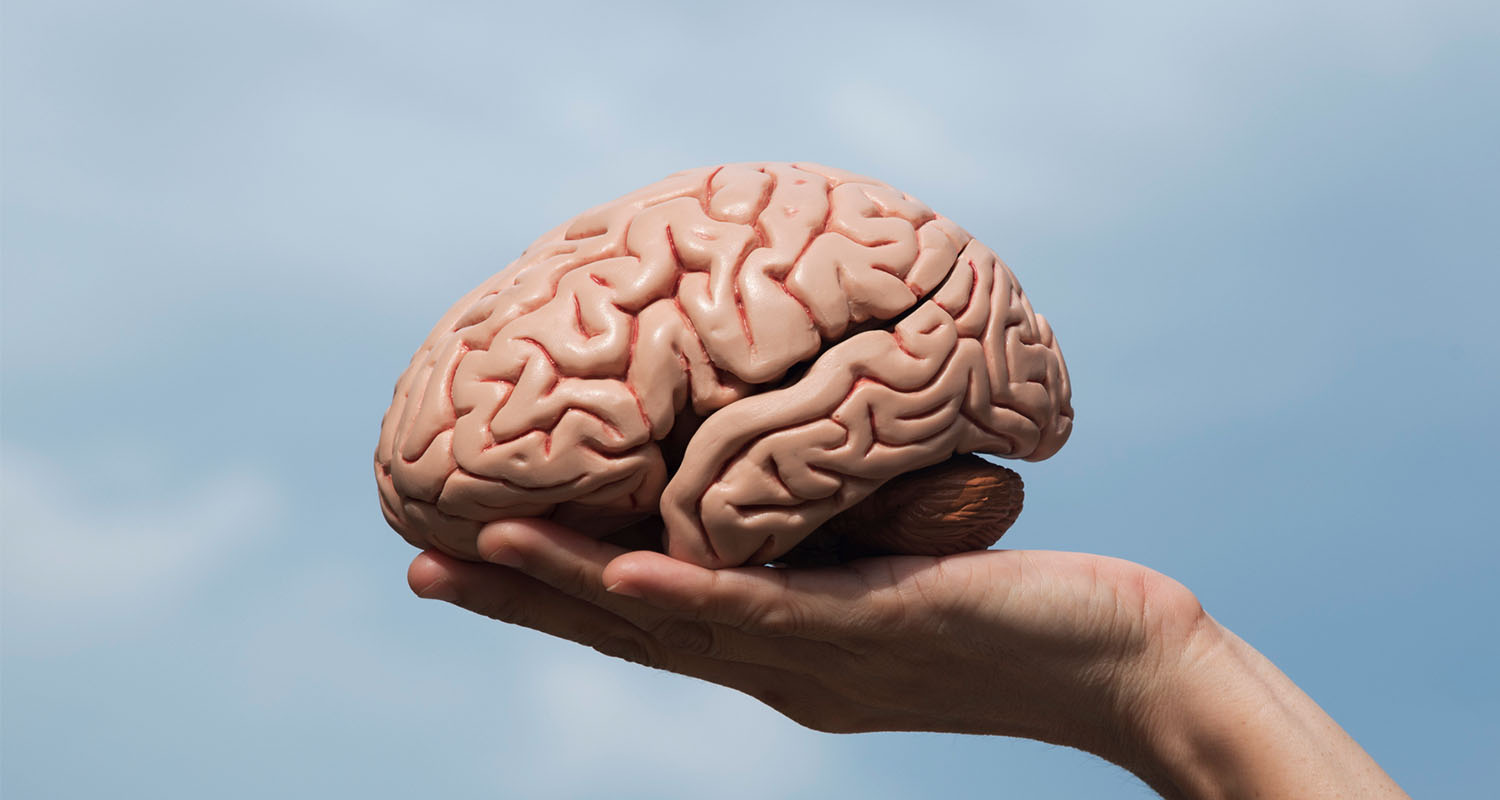
The notable exception to this meat-eating rule among our simian brethren includes herbivorous gorillas. The rub there is that these herbivorous gorillas also have a smaller brain-to-body ratio then would be expected for their size.[ref url=”https://onlinelibrary.wiley.com/doi/abs/10.1002/cne.21974″] In fact, a gorilla weighing about the same as a human has a brain just one-third of the size.
RELATED: What “The China Study” Gets Wrong About Vegan Diets
We can also turn to the chimpanzee for comparison. The size and sophistication of the chimpanzee’s brain really has not changed much at all in about seven million years. Why? In general terms, chimpanzees continued on to live as they always had, and kept persistently noshing on those leaves and bananas, along with the occasional meat of small and relatively lean animals. No real changes there.
Somewhere along the way, an intrepid primate ancestor began to do things a bit differently. Profound physiological changes, like the development of opposable thumbs, allowed them to more effectively cleave meat and marrow from the scavenged bones of animals. Eventually, they used new abilities, like the ability to grip and walk upright, to band together to hunt with the tribe, creating and grasping spears and other weaponry to hunt more efficiently.
Animal fat and rapid brain growth (encephalization)
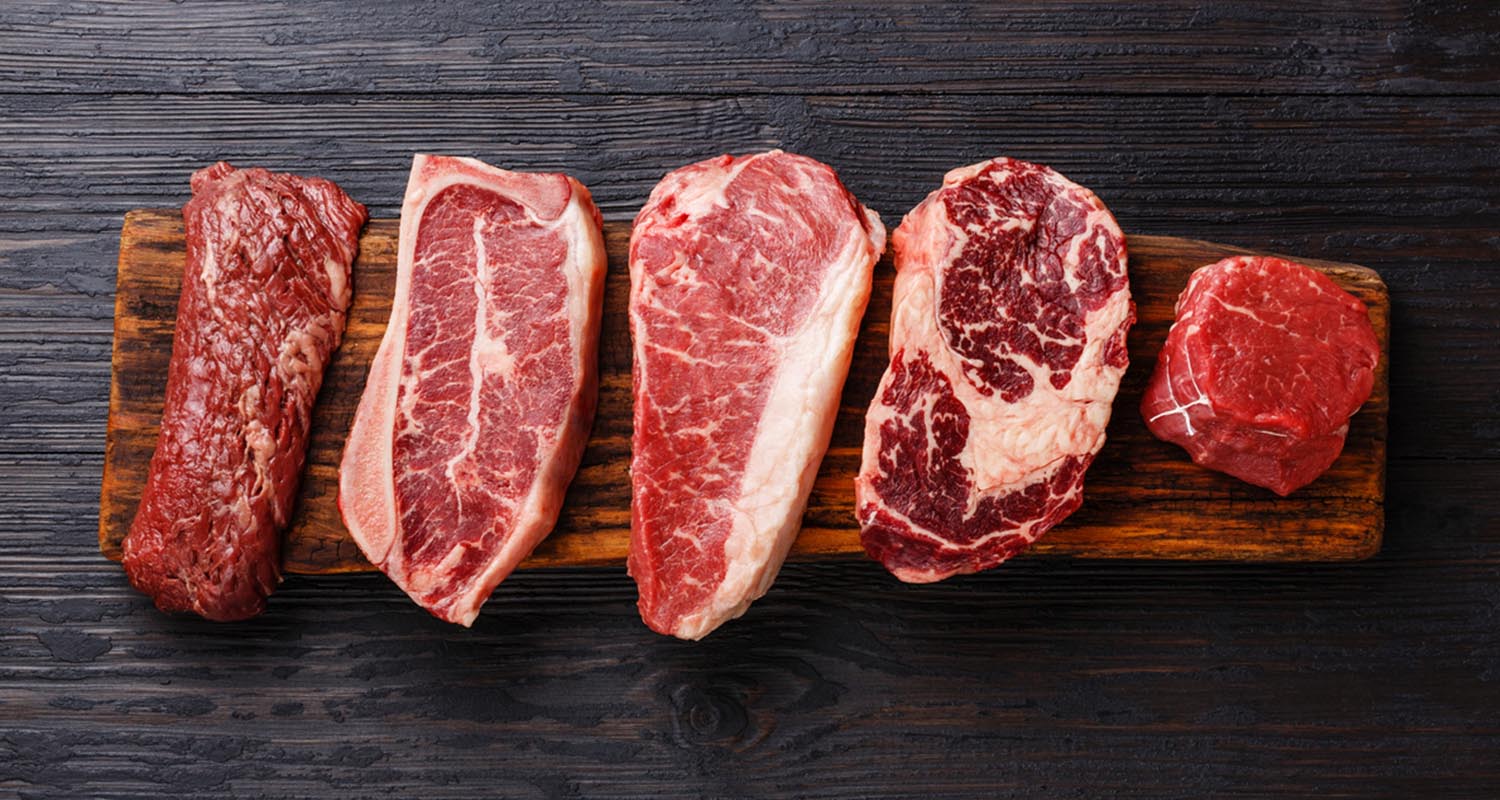
This rapid rate of brain enlargement and sophistication, aka encephalization, is wholly unprecedented among the evolutionary lineages of any other species. What is also unique about us as human primates is our additionally unprecedented taste for fat — particularly animal fat — which we pursued voraciously along the way.[ref url=”https://www.journals.uchicago.edu/doi/abs/10.1086/soutjanth.25.4.3629426″] We had available to us the meat of massive, fatty herbivores we now refer to as megafauna all the way from 2.6 million years ago—at the outset of the Quaternary Ice Age all the way to 13,000 or so years ago.
And this, more than any other single factor, has led to what is arguably our most unique and defining human characteristic: our unusually large brain. And unlike any other primate, the fatty acids responsible for our unique human cognition — both 20- and 22-carbon fatty acids: arachidonic acid (AA) and docosahexaenoic acid (DHA)—are both found within the human food supply exclusively within animal source foods.[ref url=”https://www.ncbi.nlm.nih.gov/pubmed/1608562″]
It is the effect of dietary fat on brain growth that we have to thank for advanced human achievement: art, poetry, music, culture, mathematics, language, literary works, science and technology, and arguably even human spirituality. And it’s worth pointing out that we didn’t require fire in order to make excellent and consistent dietary use of that precious dietary commodity. We are meant as humans first and foremost to be fat-heads, not potato heads or grain brains.
Humans in reverse: more grains, smaller brains

Nevertheless, the advent of agriculture (and a diet increasingly based upon sugars, starches, and grains) has led not to any continued brain enhancement and evolution, but instead a loss of close to 11% of our brain volume over the last 10,000 years.[ref url=”https://link.springer.com/referenceworkentry/10.1007%2F978-3-642-39979-4_81″][ref url=”https://www.jstor.org/stable/41464021?seq=1#page_scan_tab_contents”] Let’s just say that evolution has not continued in quite the direction we might have hoped, or as is popularly advertised.
Your brain is energy-hungry
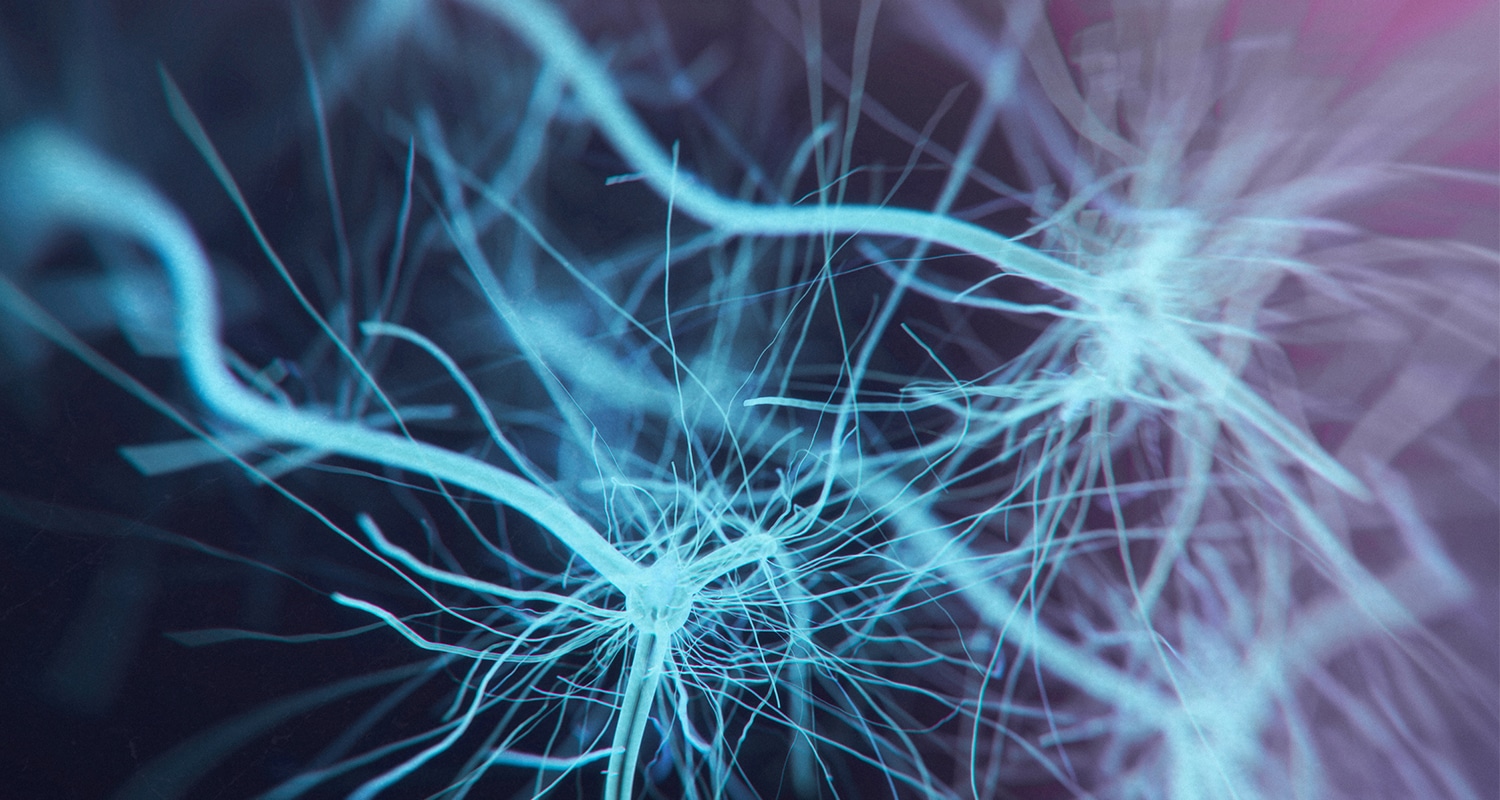
Fat supplies more than twice the caloric value of glucose, and in the form of ketones, can supply literally FOUR times the energy!
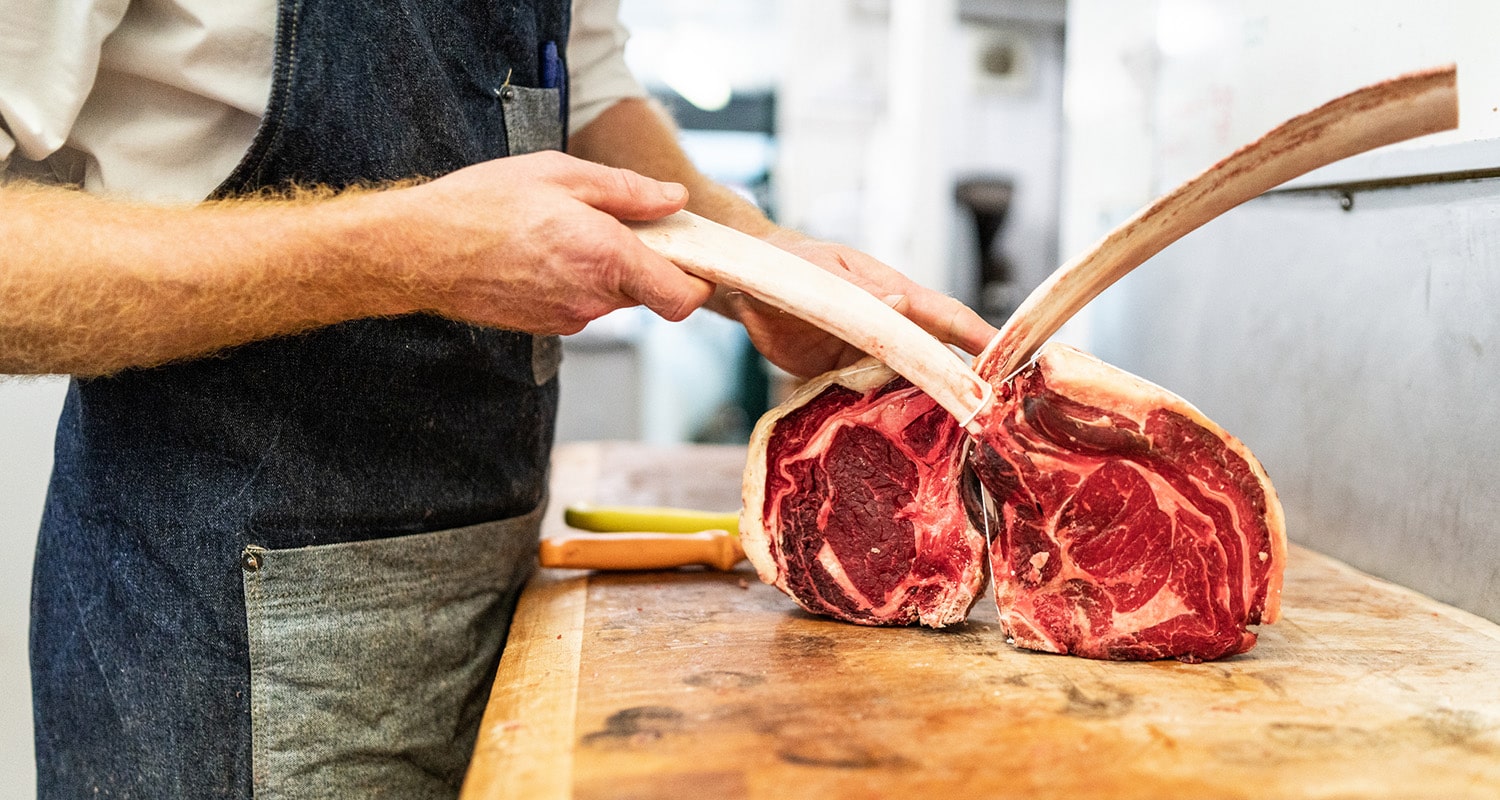
As understood by most anthropologists today, it was likely our dependence on the meat, and especially fat, of the animals we hunted that not only allowed us to survive, but to develop the structure and function of the human brain.
The fact is, compared to large-bodied apes, we humans have an enhanced capacity and a fundamentally optimized physiology toward digesting and metabolizing higher animal fat diets. We are unique among all animals in our capacity of our brains to make full time use of almost nothing but ketones, full time. I think we need to view this as a significantly meaningful adaptation. Without it, our species could not have evolved such large brains.[ref url=”https://www.ncbi.nlm.nih.gov/pubmed/12813917″]
Stay tuned for Part 2, where we dig into the human digestive system and the guts of our primate ancestors. Read more from Nora at her web site, Primal Body, Primal Mind.