[tldr]
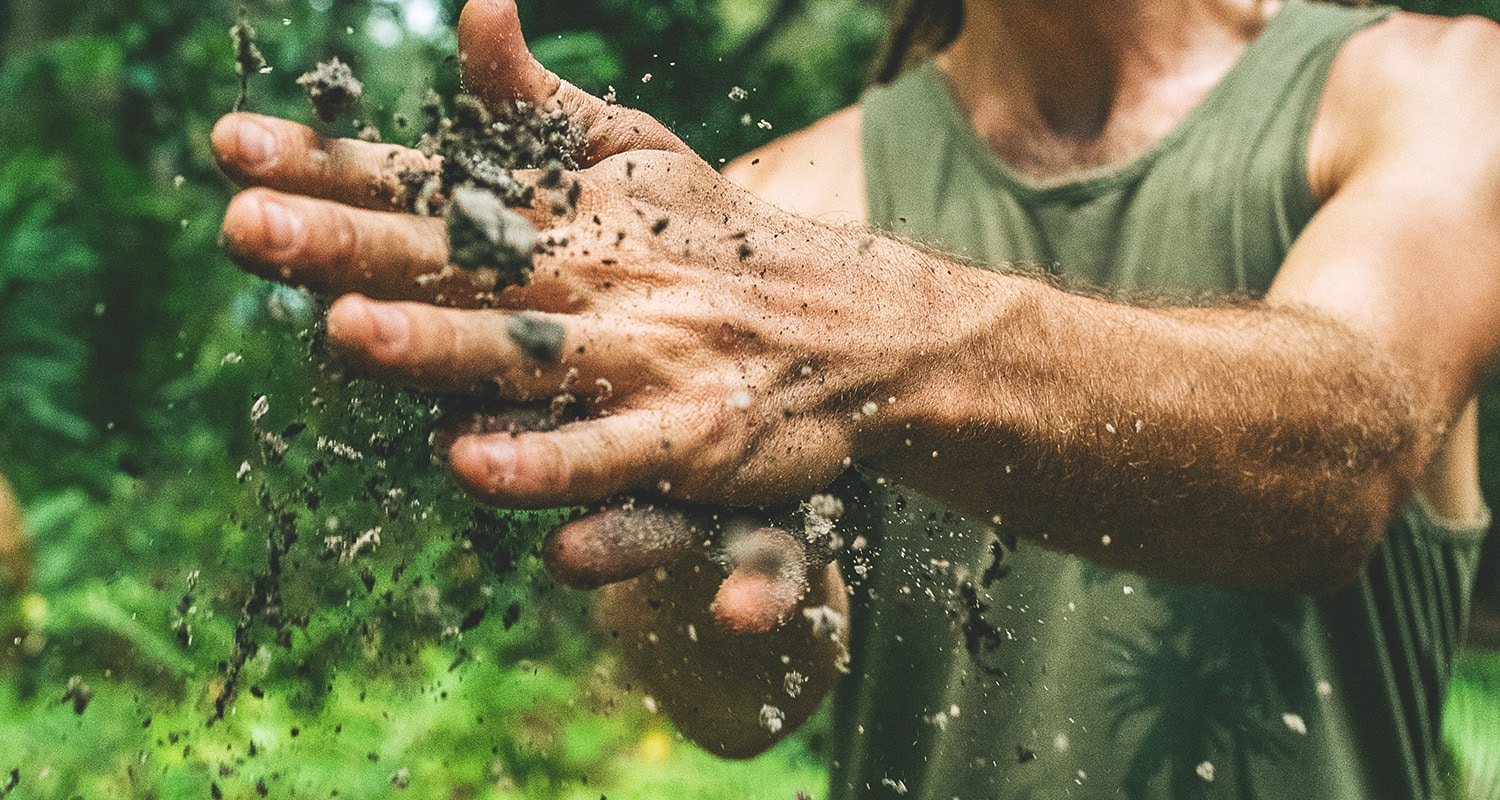
- Modern living is clean — maybe a little too clean. Getting out in the dirt now and then increases biodiversity in your gut bacteria and can give you some unexpected (and powerful) benefits.
- The soil microbe Mycobacterium vaccae is one of the most common bacteria in dirt. It also influences your brain — people and mice exposed to M. vaccae show elevated mood and increased serotonin, the same neurotransmitter antidepressants target.
- Simply walking out in nature eases stress and improves your brain function and immune system, even without getting dirty.
- Read below for a few ways to get more nature in your life and feel happier.
[/tldr]
If you deal with depression, chances are your therapist has asked you a lot of questions about your habits, but probably not this one: When was the last time you rolled around in the dirt?
If you’re an adult, it’s probably been a while. Modern life is very clean; we separate ourselves from the natural world with a wall of soap and water, and sometimes it’s to our detriment, like when it comes to mood.
There are certainly positives to modern culture’s obsession with being sanitary. Infectious diseases, for example, are lower than ever in human history. However, humans evolved to be running through forests, sleeping on the ground — generally communing with nature far more than the average person does today.
It turns out there’s major physical and emotional health benefits to playing in the dirt now and then. You have millions of bacteria living in your gut, and while a few of them are bad and you want to keep them under control, the majority of your gut bacteria work with your body to run things smoothly. Gut bacteria influence your digestion and immune function. They even control your brain.
Sanitary modern living decreases the variety of bacteria in your gut biome. Getting out in nature increases your gut biodiversity, and exposing yourself to soil microbes in particular can give you some powerful (and unexpected) benefits. Here’s why you want to commune with dirt on a regular basis.
P.S. Your body responds to nature in all kinds of different ways that extend beyond soil exposure. Pick up a copy of Dave’s latest book, Game Changers, for a more in-depth look at using the great outdoors to upgrade your performance.
Mycobacterium vaccae: the soil microbe that lifts your mood
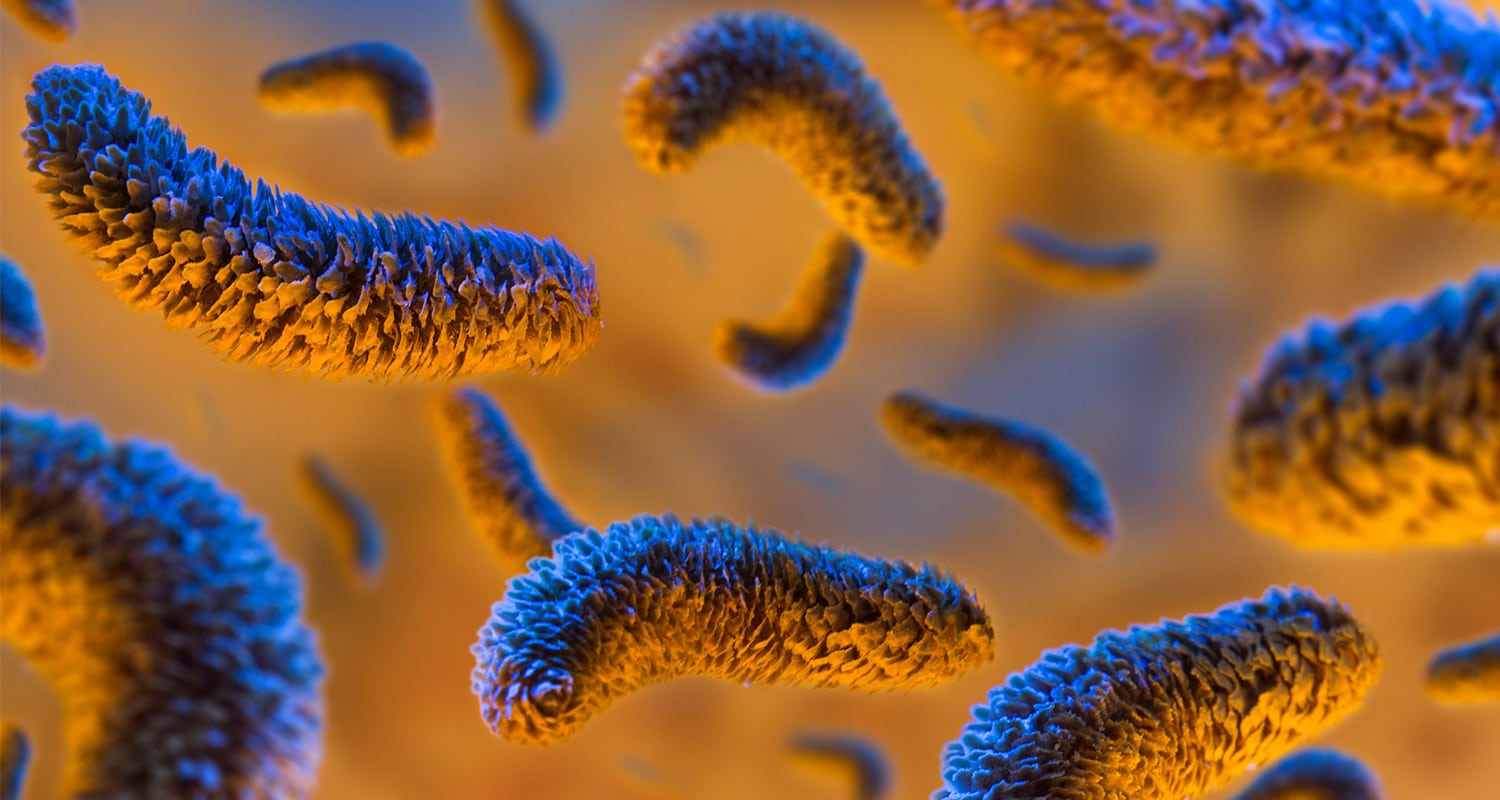
The scientific community was fascinated. Two years later and just up the road, neuroscientists at the University of Bristol injected the same bacterium into mice. They discovered that M. vaccae activated brain pathways that increase serotonin, in a pattern similar to the one you get from taking antidepressants. [ref url=”https://www.ncbi.nlm.nih.gov/pmc/articles/PMC1868963/”]
Walking in the woods boosts your mood, too
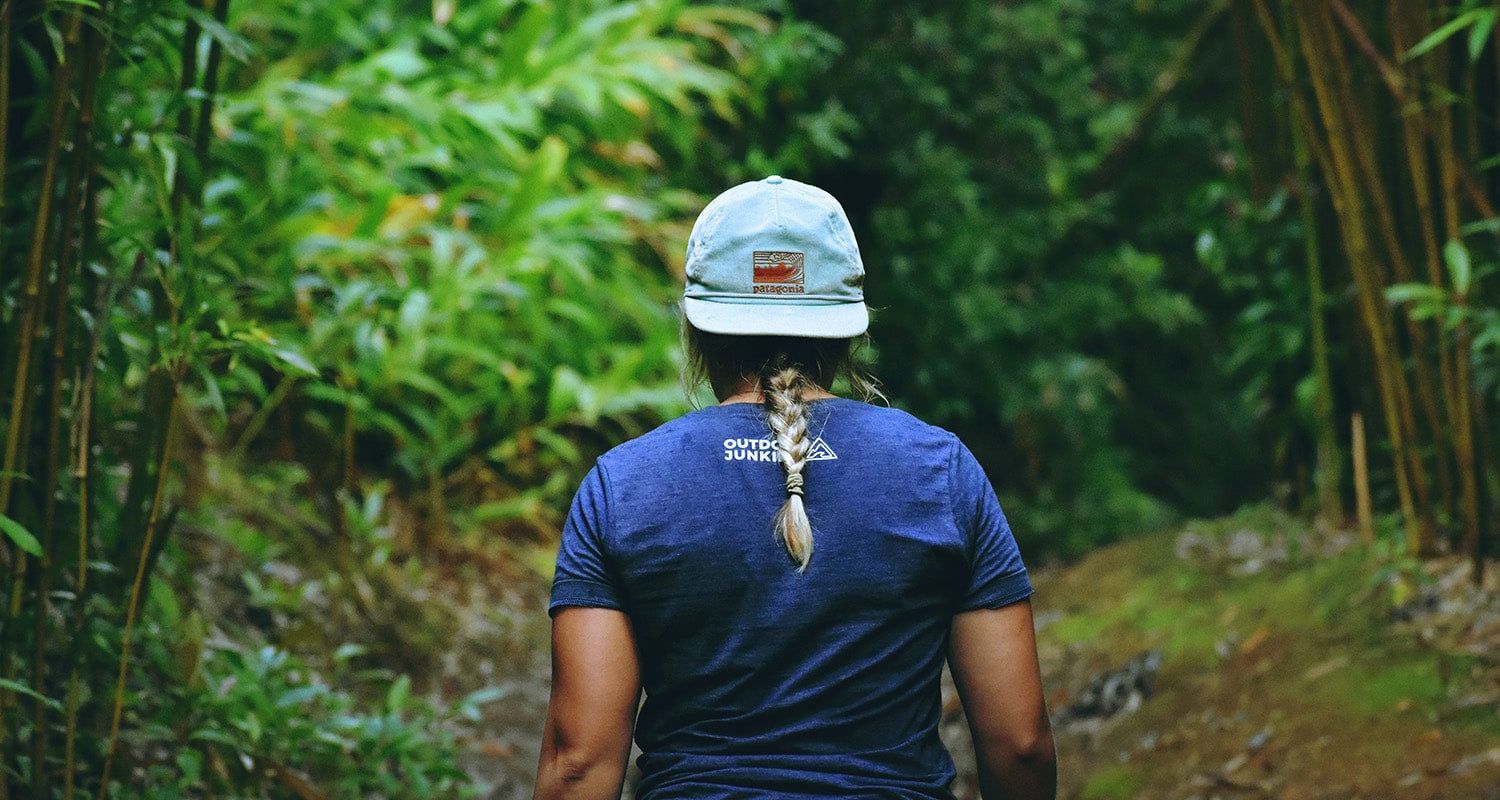
Since then, research has shown that those doctors knew what they were doing. A simple walk in the woods does all kinds of good for you:
- Improves mood: Walking on its own improves mood and decreases stress.[ref url=”https://www.ncbi.nlm.nih.gov/pubmed/16891758″]
- Lowers blood pressure and heart rate: Walking in the woods gives you a further ~15% drop in cortisol compared to walking in a city, and also decreases blood pressure and heart rate.[ref url=”https://www.ncbi.nlm.nih.gov/pmc/articles/PMC2793346/”]
- Alleviates sadness: For depressed people, time in nature enhances problem-solving and focus and improves mood at levels comparable to an antidepressant.[ref url=”https://www.ncbi.nlm.nih.gov/pmc/articles/PMC3393816/”]
- Decreases stress: Forest exposure lifted mood and decreased stress in overworked but healthy young adults.[ref url=”https://www.ncbi.nlm.nih.gov/pubmed/17055544″]
- Boosts immune system: A forest walk improves immunity by boosting your natural killer cells, which fight off pathogens to keep you healthy.[ref url=”https://www.ncbi.nlm.nih.gov/pmc/articles/PMC2793341/”]
- Speeds recovery: Going out in nature speeds up recovery from illness/surgery and eases respiratory issues like asthma.[ref url=”https://www.ncbi.nlm.nih.gov/pmc/articles/PMC4053896/”]
- Less cancer: People living in forested areas have a 10-15% lower risk of dying from cancer.[ref url=”https://benthamopen.com/contents/pdf/TOPHJ/TOPHJ-1-1.pdf”]
All these studies involved people simply walking in nature. Adding dirt exposure to get in touch with soil microbes like M. vaccae can give you even more emotional health benefits.
3 ways to get more nature (and more dirt) in your life
You can get the mood-lifting benefits of nature no matter where you live. Here are three simple ways to get dirty and add a little natural beauty to your life.
Get some indoor plants

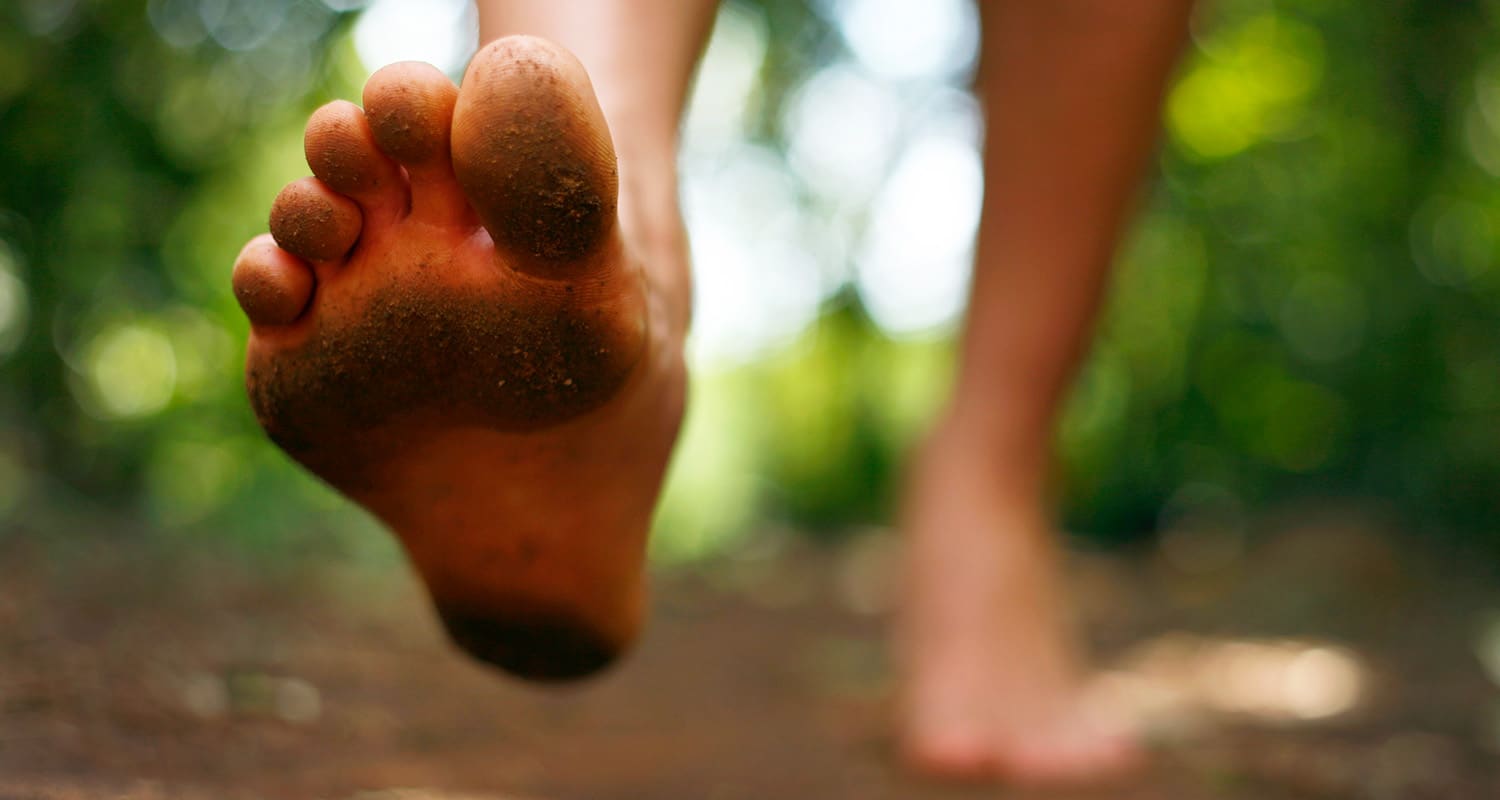
Go for a barefoot walk in nature
Grow a garden (even a window garden)
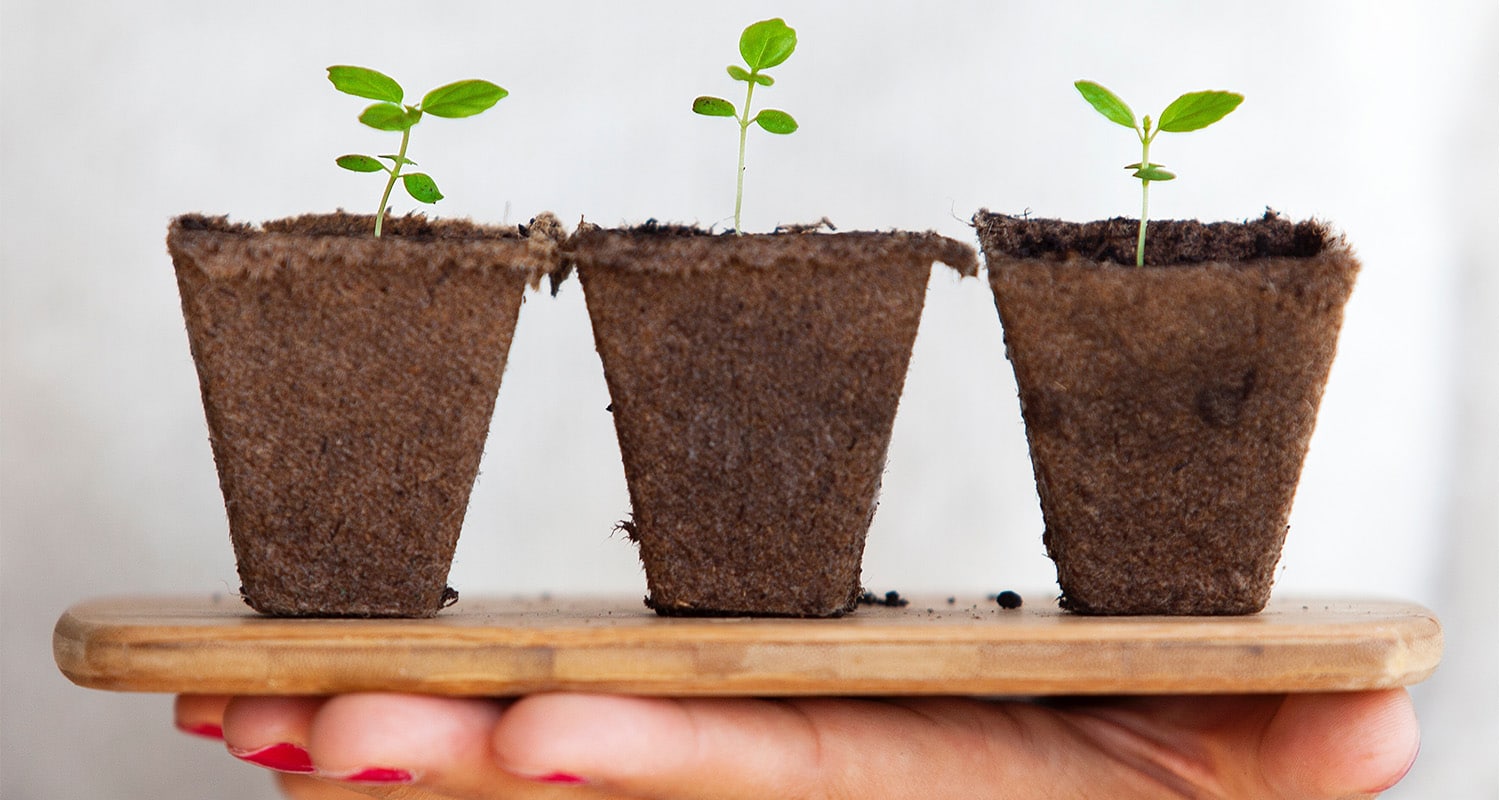
Go out in nature and get some mud on you now and then. Get some direct sunlight while you’re at it. Your body responds to the great outdoors in all kinds of powerful, life-enhancing ways. Make it a part of your daily or weekly routine. You’ll feel the difference.