- Hormesis is a good type of stress. It’s when you push your body and it responds by becoming more resilient
- Exercise is a classic example of hormesis — you damage your muscle fibers and they build back bigger and stronger
- Some of the most effective ways to stress your body and boost your resilience are intermittent fasting, infrared saunas, cryotherapy, oxygen deprivation, and sun exposure (not too much!)
Stress is one of the most common sources of kryptonite in the world. In other words, it sucks up your energy and makes you weak, and it affects everyone. I’ve written about hacking stress before; learning to manage it an essential part of being strong and resilient (aka Bulletproof).
Just as valuable, though, is learning how you can use stress to make yourself stronger. There’s a good kind of stress, called hormesis, that can make you more resilient and powerful in day-to-day life.
I’ve used hormesis for years to hack my stress tolerance and resilience. Resilience, by the way, is the ability to bounce back and recover quickly from adversity, trauma, or any kind of injury. It’s the secret to living a long, youthful life. (Think: survival of the fittest.)
In this article, I’ll break down how hormesis works and how you can use it to make yourself more Bulletproof. I’ll also share my five favorite biohacks to increase resilience with hormesis.
Let’s start by talking about the science behind hormesis.
Instantly download the Bulletproof Exercise Roadmap, your guide to getting the most out of your workouts.
What is hormesis?
 Hormesis is the “what doesn’t kill you makes you stronger” type of stress.
Stress is the disruption of homeostasis, or your body’s state of equilibrium. In other words, stress is something that throws your body off-balance. You’re designed to handle minor and occasional stress. In fact, your body thrives on occasional stress or toxin exposure, and responds by ramping up growth and repair, to bring you back to balance. That’s hormesis — your body’s positive response to minor stressors.
Over time, you can use hormesis to build an adaptive stress response, where you learn to benefit from sources of stress.[ref url=”https://www.ncbi.nlm.nih.gov/pmc/articles/PMC2248601/”] With exercise, for example, you need to damage your muscles, otherwise your body won’t build them back stronger. By the same token, your brain needs challenges — learning a new language, doing something creative, and so on — to build new connections between brain cells and become sharper. You can even stimulate new collagen growth in your skin with lasers and microneedling — both of which cause micro-injuries.
How hormesis works
In an episode of the Bulletproof Radio podcast (iTunes), bestselling author and investigative journalist Scott Carney points out that discomfort actually happens in your brain, not on your cold skin or tired legs. Training your brain to withstand stressors strengthens your adaptive stress response.
“Sensation comes in and it’s more or less meaningless,” Carney says. He explains that it’s what your brain automatically does with that information that determines your body’s response. “It might change your heart rate. It might change your thermoregulation. It might change some immuno-pathways and that’s just like hardwired into like what you are, but still doesn’t have any meaning.”
Because the stressor itself doesn’t have any meaning until the brain processes it, you can change your body’s reaction to different stressors by repeated exposure or increasing intensity.
What’s tricky is that not all stress is hormetic. The dose matters. When I created the Bulletproof Diet, a lot of my work involved figuring out foods that are hormetic, and foods that are downright damaging.
Hormesis and alcohol
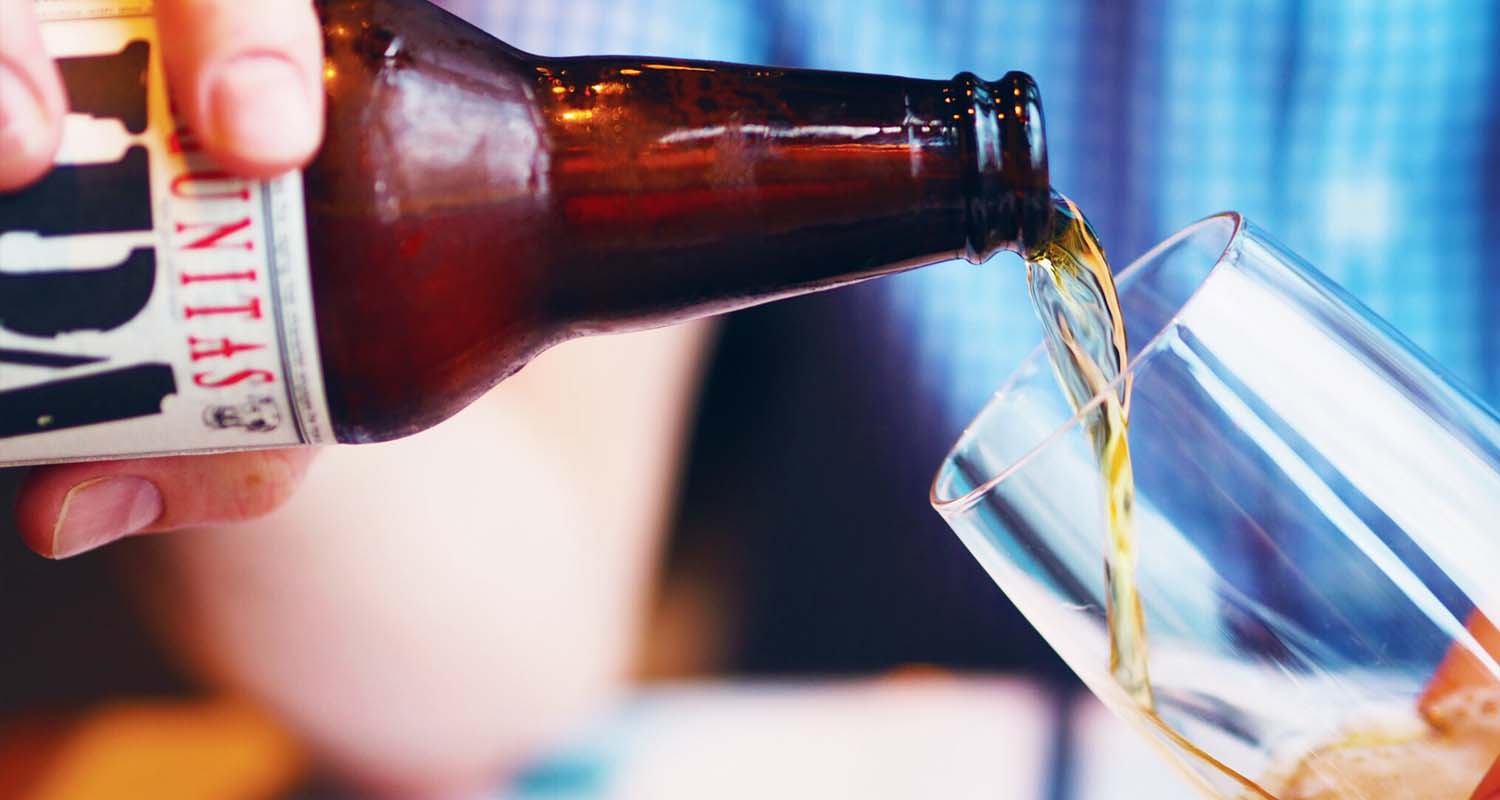 Alcohol, for example, has a hormetic effect if you have it in small doses. However, alcohol also damages your mitochondria and causes inflammation in your gut. The downsides are greater than the upsides, which is why alcohol is not Bulletproof.
Hormesis and gluten
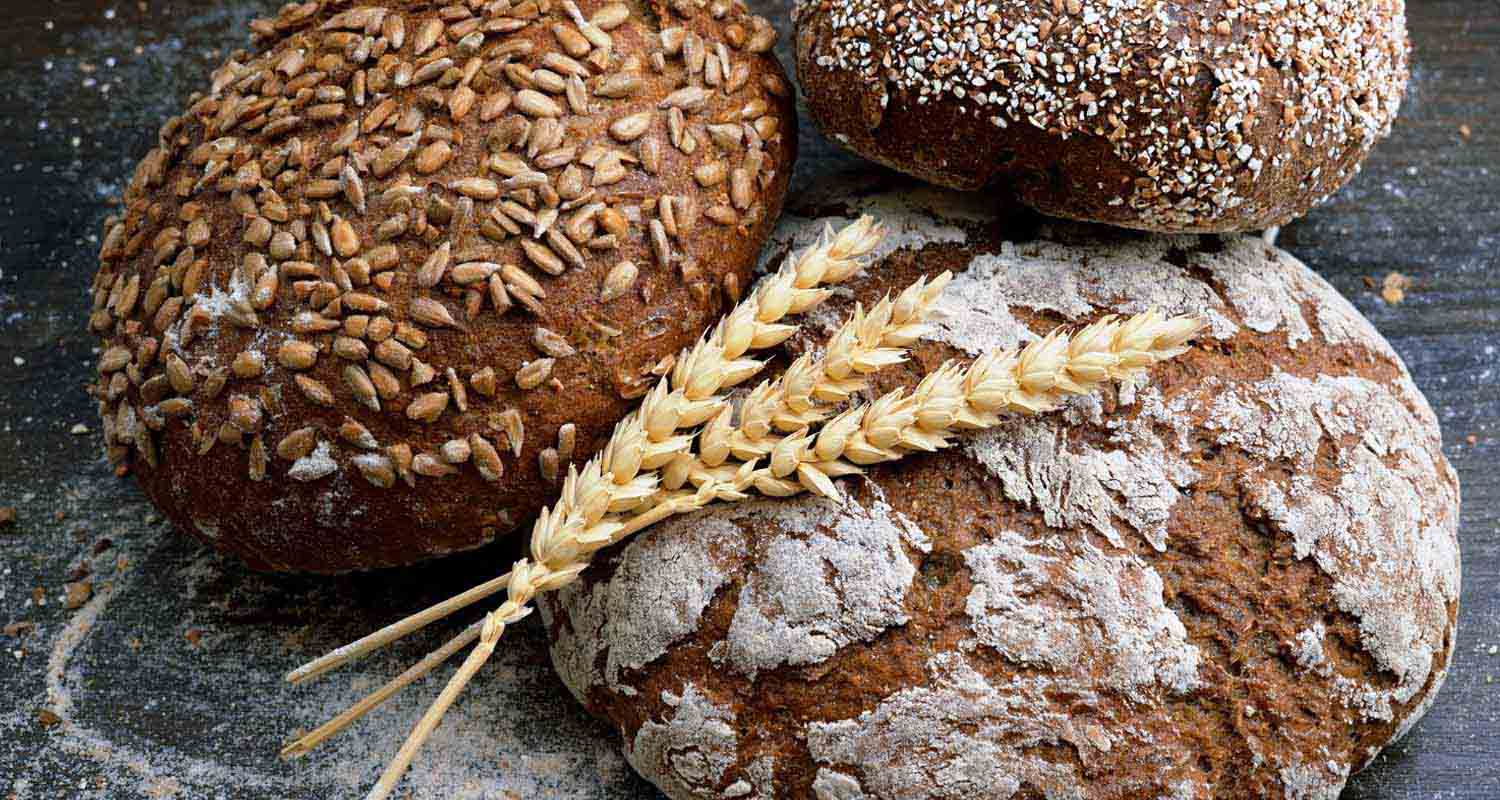 Another non-beneficial stressor is gluten. You may produce a hormetic response to gluten, but even if you’re not particularly sensitive to it, it can trigger an inflammatory and damaging T-cell response that outweighs any benefit from hormesis. That’s why gluten is not part of the Bulletproof Diet.
Related: How to Identify and Remove the Foods That Limit You
Basically, not all stressors are good, and you don’t want to just go out looking for as much stress as possible. The wrong type of stress will damage your biology and make you weak. Instead, learn to manage negative stress, and only use stress that triggers hormesis.
5 ways to boost your resilience with hormesis
These are some of the most beneficial stressors I’ve been testing for the last few years. They’re valuable biohacking tools — you can use them to build more resilience and become stronger.
Exercise and hormesis
 If you looked at your muscle fibers under a microscope after a hard workout, you’d see chaos. They’d be torn, inflamed, sore, and weak. If you didn’t know better, you’d probably conclude that, for your health, you should never exercise again.
But that stress is an essential trigger for growth. Your muscle fibers build back denser and thicker, to prevent future damage. You also release lots of anti-inflammatory compounds during exercise. One of the best types of exercise for boosting your resilience is high-intensity interval training (HIIT). It has a particularly strong hormetic effect on your mitochondria — they become more efficient to deal with the stress, which increases your energy production and slows down aging at the cellular level.
I use a Cold HIIT machine to get two hours of high-intensity cardio in 20 minutes. That’s my favorite option, but it isn’t necessary. You can always do normal HIIT, or just stick with your favorite type of workout. Almost any type of movement does a body good. You can’t really go wrong with exercise. Just make sure you rest afterward and get plenty of high-quality sleep. Intense workouts without enough sleep puts too much stress on the body, and keeps it from recovering.
Related: Burn Fat With This 18-Minute Full-Body HIIT Workout
Practice intermittent fasting
 Fasting is another hormetic stressor with huge benefits. It makes sense from an evolutionary standpoint — in times of starvation, your body had to run at its peak efficiency, both to save energy and to increase your odds of finding or catching something to eat. And sure enough, research shows that fasting is amazing for you:
- It helps you live longer
- It makes your cells more resilient to oxidative damage
- It protects your brain cells and improves cognitive function
- It burns fat like crazy
The ideal window for fasting is between 16-48 hours. Shorter than that and you don’t see the above benefits as much. Longer, and you start to run into downsides, like dips in energy and muscle loss.
The trouble with traditional fasting is that you get hungry to the point of distraction. That’s why I created Bulletproof Intermittent Fasting. It gives you the benefits of normal fasting, but without the hunger and irritability.
Learn more about how to get started with intermittent fasting
Extreme temperatures with infrared saunas and cryotherapy
 Intense hot and cold both increase oxidative stress levels in your body, but they trigger a whole cascade of positive changes, too. Just ask Wim Hof, who climbed Everest in shorts and shoes.
The secret to extreme temperature benefits lies in shock proteins. Your body produces these special proteins, appropriately named cold-shock proteins and heat-shock proteins, in response to sudden, extreme changes in temperature.
Shock proteins reverse damage from sudden changes in temperature, protect your cells, and trigger full-body repair. They’re a textbook hormetic response, and they make hot and cold exposure powerful biohacks.
Cold exposure, for example, makes your cells produce antioxidants system-wide, protecting your body from inflammation and damage and increases immunity. Heat exposure makes the proteins in your cells more resilient to stress and slows down cellular aging.
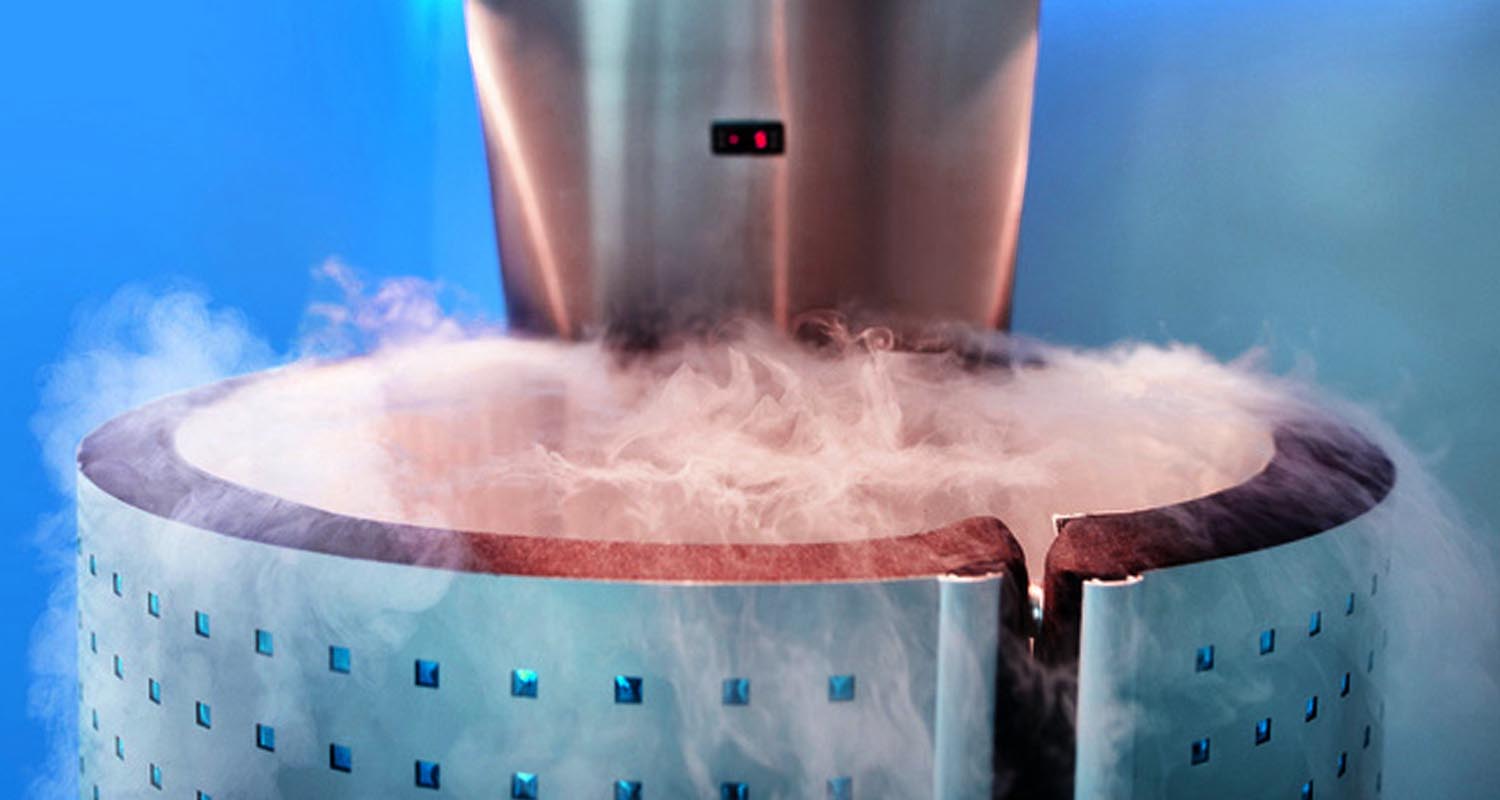
Cryotherapy: You have a few options for cold exposure. My favorite is cryotherapy, where you stand in a chamber that’s about -250°F for a few minutes. Check out this article to read up on the benefits of cryotherapy and find a cryo studio near you. You can also take an ice bath or a cold shower.
Infrared sauna: For heat, I use an infrared sauna. Normal saunas will work too, but infrared saunas have extra benefits, because they heat up the body at a cellular level, where most toxins are stored. This intensifies the detoxification process. Stay in the heat for at least 20 minutes if you can, to really stimulate those heat-shock proteins.
Facing adversity

The ups and downs of everyday life can make you more resilient in the face of adversity. On an episode of Bulletproof Radio (iTunes), neuroscientist, medical doctor, and bestselling author Tara Swart, M.D., Ph.D., explains that adversity is crucial to emotional health.
“Every time you endure adversity, you build your resilience to future adversity. You build your own idea that you have the tools within you to come out better, stronger, learn something,” says Swart. “It’s literally about building a pathway in your brain that helps you to reframe the way that you view enduring adversity.”
The next time you experience a difficult time in your life, recognize that you will get to the other side, and you will come back stronger than you were before.
Oxygen deprivation
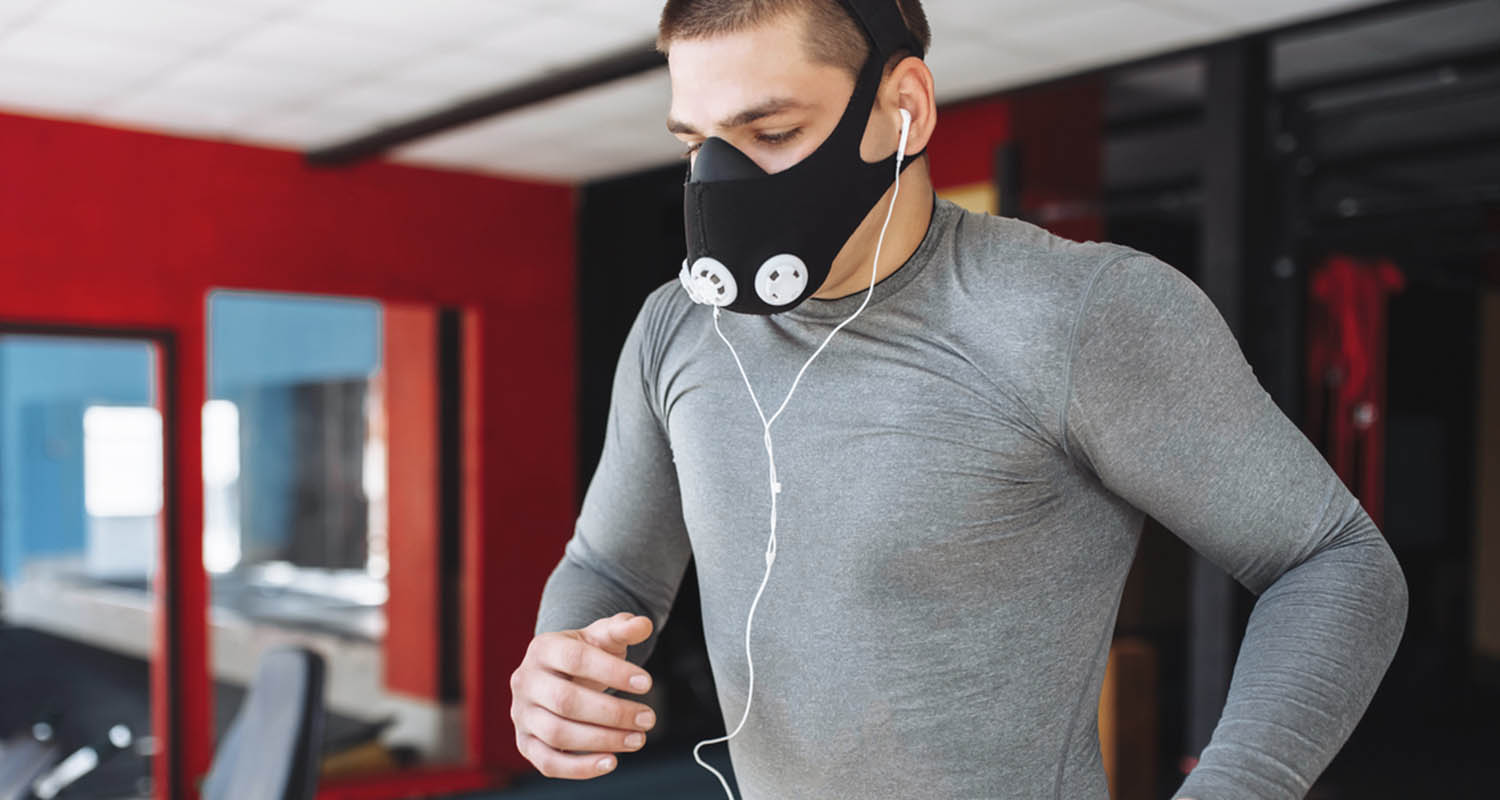 I wrote about oxygen deprivation (also called hypoxia) in “Head Strong,” as a way to upgrade your mitochondria. It really works, and it’s free. When you cut off oxygen to your brain for a short amount of time, it gently stresses your neurons. They respond by creating brand new mitochondria, increasing your brainpower and helping you think faster and work smarter.
I like to use the Oxygen Trainer — it’s a stationary bike workout where you sprint while wearing a mask that alternates between oxygen-rich air and oxygen-poor air. Also called hypoxic training or high-altitude training, athletes have used this method for decades to improve athletic performance.
If that’s not your thing, try Wim Hof breathing. It only takes a couple minutes and it’s free and easy to learn. Bonus points if you do push-ups while oxygen-deprived, like Wim made me do onstage during the 2016 Bulletproof Conference.
Sun exposure
 Sun exposure also triggers hormesis. UV rays cause sunburn, cancer, and all kinds of nasty damage if you get too many of them, but when you get the right dose, sun exposure is an incredibly powerful (and free) biohack.
Sunlight in the right dose actually makes your cells stronger and helps them protect themselves from cancer. An appropriate dose of sunlight also drives your cells to produce more vitamin D, which affects more than 1,000 reactions across your whole body, including testosterone production, antioxidant production, and more.
You need a specific amount of sunlight, depending on how much melanin you have in your skin.
Do you use any positive stressors to make yourself more resilient? What’s your favorite way to trigger hormesis? I want to hear about it in the comments. Thanks for reading, and don’t forget to subscribe below for more biohacking content.