DHA Benefits: Why Getting the Right Amount of Fish Oil Matters

DHA Benefits: Why Getting the Right Amount of Fish Oil Matters

[tldr]

  • DHA is a potent omega-3 fatty acid found in wild-caught fish, pastured butter, and grass-fed meats.
  • It boosts mitochondria, powers your metabolism, protects your heart, and strengthens your brain.
  • Wild-caught fish and krill oil supplements are both good sources of DHA.
  • Be vigilant when choosing a fish or krill oil supplement — these oils are easily damaged by heat and air.
  • Like whole fish, always source your fish oil from wild-caught fish instead of farmed. Krill are lower on the food chain, so krill oil packs fewer toxins, and a more sustainable harvest.

[/tldr]

If you regularly fill your plate with wild-caught salmon or take a high-quality fish oil supplement, then you’re doing your brain and your heart all kinds of favors. That’s because you’re nourishing your cells with a good dose of omega-3 fatty acids. These are a champion fat, and a vital component of cell membranes throughout your entire body. Omega-3s also help prevent heart disease, memory loss, and certain cancers.[ref url=”http://www.hsph.harvard.edu/nutritionsource/omega-3-fats/”]

There are three types of omega-3 fatty acids, but one truly stands out: DHA. This one packs the most powerful punch, and here’s why. DHA (or docosahexaenoic acid) is a high-achieving multitasker: It keeps your nervous system functioning, fights performance-robbing inflammation, and supercharges your mood. Ahead, everything you need to know about DHA: the benefits, the best sources, and what to look for in a supplement. 

Related: Is Fat Good for You? Everything You Need to Know About Dietary Fats

Quick guide to omega-3s
Here’s a quick rundown on omega-3 fats. The omega-3 family is made up of three major types of fatty acids: DHA, EPA (eicosapentaenoic acid), and ALA (alpha-linolenic acid). DHA and EPA come from animal sources, and are both long-chain omega-3 fatty acids, which means they have at least 14 carbon atoms in their tails. We already know DHA is the good stuff, but both EPA and DHA carry benefits that enhance each other.[ref url=”https://academic.oup.com/advances/article/3/1/1/4557081″][ref url=”https://www.ncbi.nlm.nih.gov/pmc/articles/PMC5003160/”]

The third type of omega-3 acid is ALA, the omega-3 found in plants like chia seeds and flaxseeds. Frankly, it won’t do much good in your body. Humans can convert some ALA to that good DHA, but we’re not great at it, and only convert around five percent.[ref url=”https://www.ncbi.nlm.nih.gov/pmc/articles/PMC3224740″]

That’s one reason why, despite the hype, chia seeds and flaxseed oil don’t rank especially high on the Bulletproof Diet Roadmap. Your ALA to DHA conversion rates also tank with high omega-6, another reason it’s important to balance the omega-3 and omega-6 levels in your diet. Overall, your body needs DHA from animal sources, or a few species of omega-3-rich algae.

Related: Learn Your Lipids: A Quick Guide to Omega-3 and Omega-6 Fats

DHA benefits
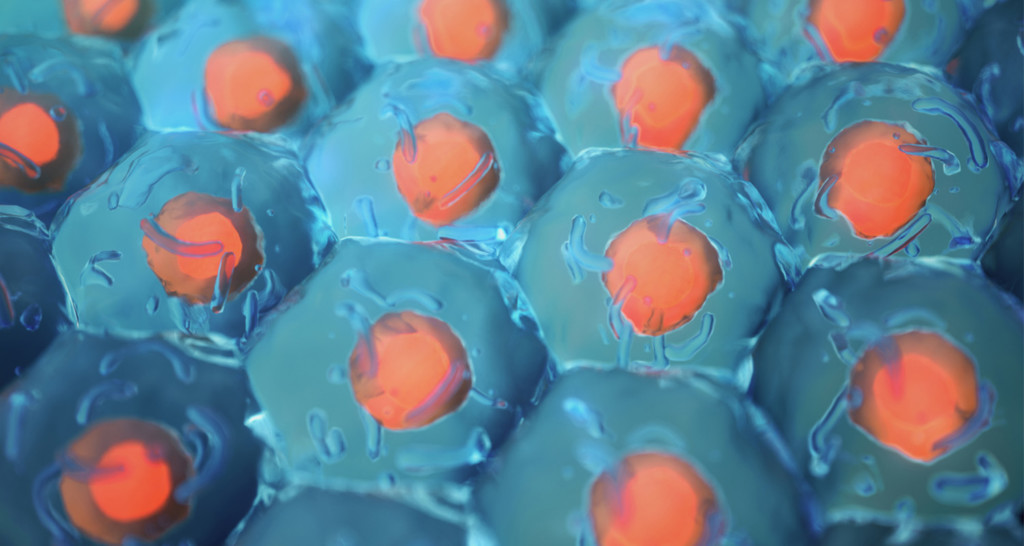
But what makes DHA different to other omega-3 fatty acids, and how does it work in your body? Fatty acids like DHA are an integral part of molecules called phospholipids, that make up each of your cell membranes. A high DHA content helps maintain the “fluidity” of those membranes, and has a huge influence on the behavior of a cell. That includes what comes in and out, and how that cell communicates. This fluidity lets cells do some pretty rad stuff, like the rod cells in your retina that literally change shape in response to light.[ref url=”https://www.karger.com/Article/PDF/448262″]

But it’s more than party tricks. DHA is a key player in reducing inflammation, protecting your heart, and optimizing your metabolism. This potent fatty acid is essential for your brain as well, from promoting fetal development to preventing neurodegeneration as you age. Here are the top four DHA benefits:

1. Boosts mitochondria
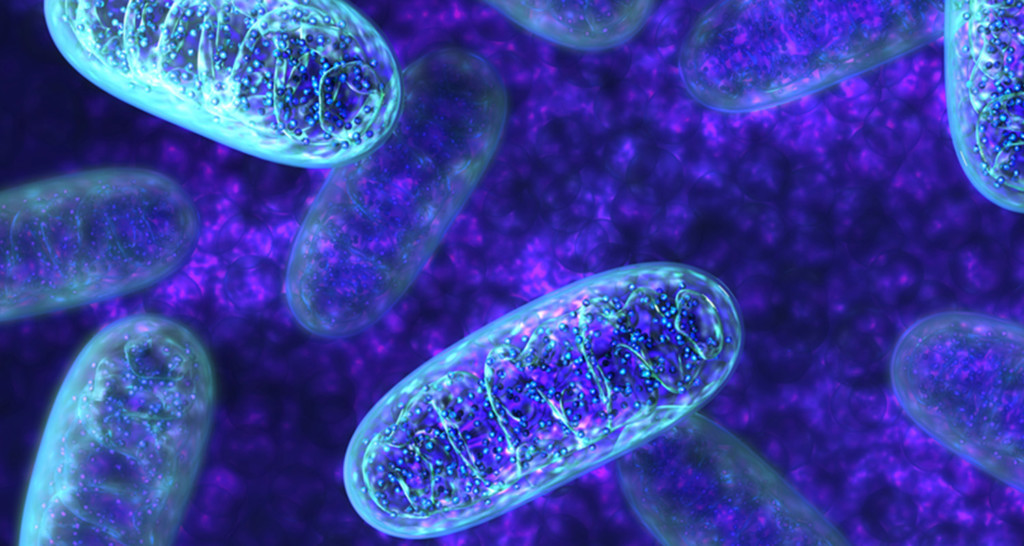
You need DHA for functional cell membranes, and you know what has two cell membranes? Mitochondria. High-functioning mitochondria (the power generators in your cells) produce the energy your body needs every day. Mitochondrial dysfunction, on the other hand, is linked to nearly every age-related illness, including neurodegenerative disease, heart failure, and metabolic diseases.[ref url=”https://www.ncbi.nlm.nih.gov/pmc/articles/PMC4067133/”]

Supplementing with DHA increases cardiolipin, a unique phospholipid in mitochondrial membranes that keeps your mitochondria in great shape. 

2. Protects your heart
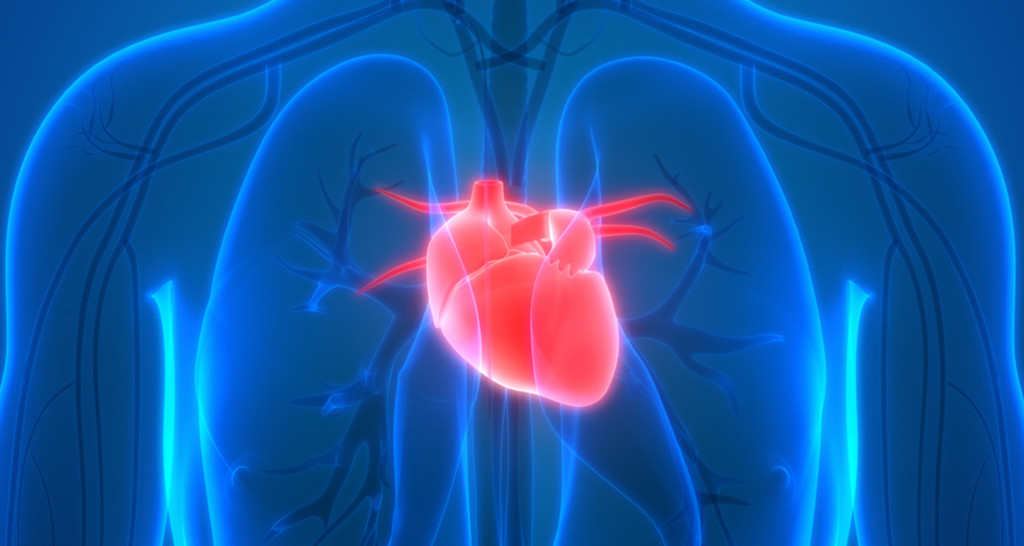
By boosting mitochondria, DHA also carries incredible heart benefits. Mitochondria in your heart need significant amounts of DHA-saturated cardiolipin, and studies have linked high levels of DHA to reduced risks of cardiovascular disease and sudden cardiac death.[ref url=”https://www.ncbi.nlm.nih.gov/pmc/articles/PMC4153275/”][ref url=”https://www.ncbi.nlm.nih.gov/pubmed/27281302″][ref url=”https://www.ncbi.nlm.nih.gov/pubmed/28515020″][ref url=”https://www.ncbi.nlm.nih.gov/pubmed/30050076″] Studies also show that DHA from fish oils can lower blood pressure, resting heart rate, and blood triglycerides, while raising HDL cholesterol, all perfect ingredients for a happy, healthy heart.[ref url=”https://www.ncbi.nlm.nih.gov/pubmed/19545988″]

Note that a recent review of multiple studies found that omega-3 fats, including DHA, didn’t carry significant heart benefits. https://www.sciencedaily.com/releases/2018/07/180717194558.htm

3. Kickstarts metabolism and burns more fat

In a 2015 study involving women in their 60s, supplementing with 3 grams a day of a DHA/EPA-rich fish oil increased resting metabolic rates by 14 percent, and resting fat-burning rates by 19 percent. The supplement also raised the rate of fat burning during exercise by a cool 29 percent. Keep in mind this was just fish oil, no special dieting! Fish oil also lowered triglycerides, and increased lean body mass in participants.[ref url=”https://journals.plos.org/plosone/article?id=10.1371/journal.pone.0144828″]

DHA boosts metabolism by up-regulating fat-burning genes in your liver, and activating PPARs, molecules that trigger ketone production to tip you towards ketosis (prime fat-burning mode). PPARs also lower triglycerides, increase insulin sensitivity, and reduce inflammation — all helping you burn fat fast.[ref url=”https://www.karger.com/Article/PDF/448262″][ref url=”https://www.ncbi.nlm.nih.gov/pmc/articles/PMC5187893/”]

4. Upgrades your brain
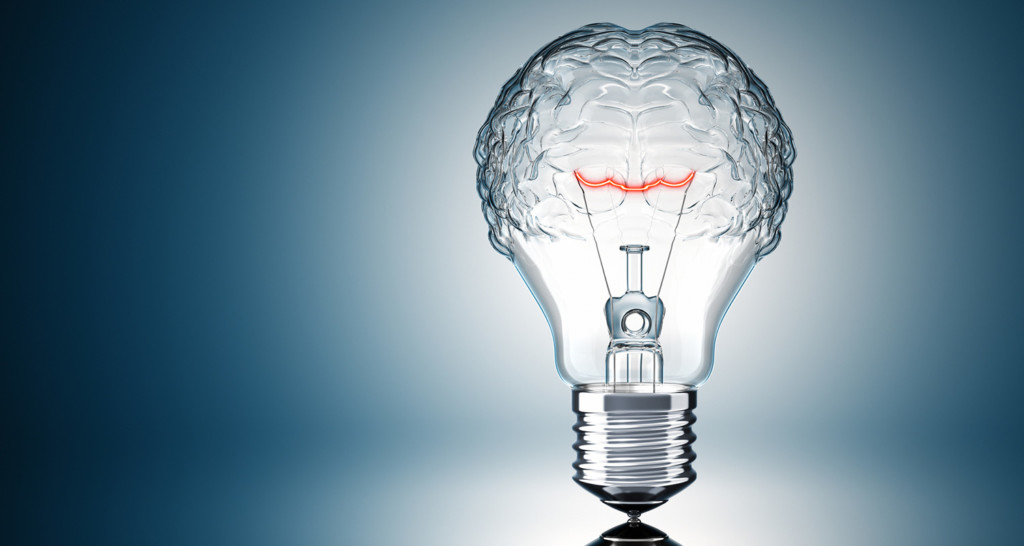
You’ve probably heard high omega-3 foods like fatty fish referred to as “brain foods.” That’s because your brain needs plenty of good fats to keep it running, and DHA is one of its favorites.[ref url=”https://www.ncbi.nlm.nih.gov/pubmed/20329590″] In fact, there’s strong evidence that high-DHA diets played a huge role in the evolution of the modern human brain.[ref url=”https://www.ncbi.nlm.nih.gov/pmc/articles/PMC3257695/”]

DHA is one of the most powerful supplements you can add to your diet to protect your brain and upgrade your cognitive performance. The impacts of this omega-3 fat on brain development and health start even before pregnancy, and are important through every stage of life.

  • Pregnancy: Science shows that DHA is especially important for pregnant and breastfeeding women because it helps build a strong, healthy brain for your baby. Studies show that children whose mothers supplemented with DHA during pregnancy had higher problem-solving skills and hand-eye coordination.[ref url=”https://www.ncbi.nlm.nih.gov/pmc/articles/PMC3262608/”] This is why I recommend supplementing with krill oil and eating low-mercury, wild-caught seafood before, during, and after pregnancy (infants also absorb DHA while breastfeeding).
  • Childhood: Young brains are still forming, and need plenty of brain-food fuel as they develop through infancy and childhood. I want my two kids to be the best and brightest they can, which is why they get plenty of omega-3s from grass-fed meats, wild-caught fatty fish, and supplements of their own. Studies show that DHA supplementation is linked to higher reading, intelligence, vocabulary, and memory scores in school-aged children. Children with low DHA levels tended to struggle more in these areas, but still responded well to added DHA.[ref url=”https://www.ncbi.nlm.nih.gov/pmc/articles/PMC3738999/”]
  • Adulthood
    DHA is one of the most important factors for a resilient brain and sharp memory.[ref url=”https://journals.plos.org/plosone/article?id=10.1371/journal.pone.0120391″] If you’re planning to stick around until 180 like me, that’s a big deal. Through adulthood and as you age, DHA keeps your brain firing, boosts memory, and protects your brain cells from free radical damage and oxidation.[ref url=”https://www.ncbi.nlm.nih.gov/pubmed/29305120″][ref url=”https://www.ncbi.nlm.nih.gov/pubmed/20088810″] Low DHA levels are also linked to age-related memory loss, and several studies support using fish oil supplements to improve your memory and decrease your risk of neurodegenerative conditions such as Alzheimer’s disease and dementia.[ref url=”https://jamanetwork.com/journals/jamaneurology/fullarticle/792707#RESULTS”]

Best sources of DHA

Food
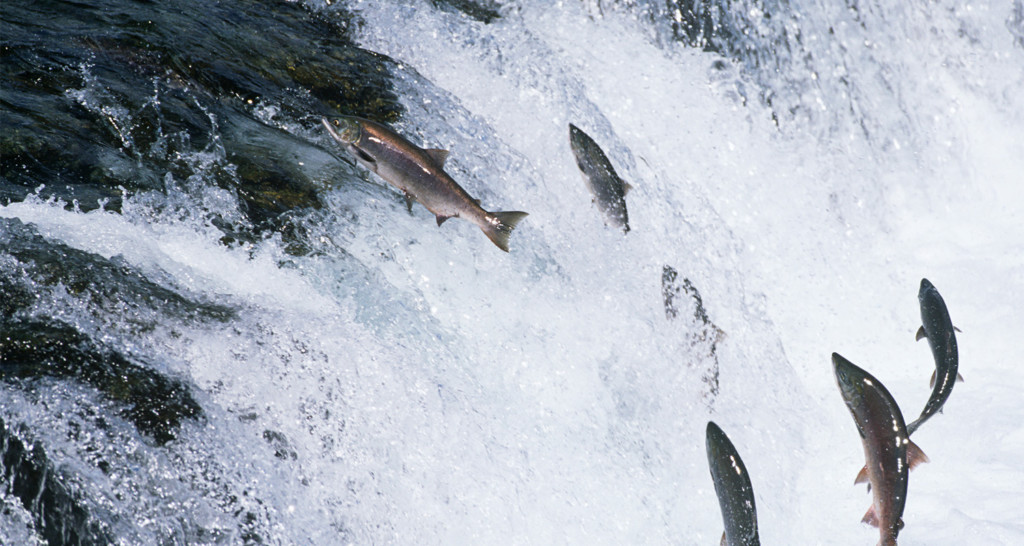
With all that upgraded goodness going to your brain, it makes sense that one of the best sources of DHA available is…well, brains. In fact, most grass-fed organ meats are a good whole-food source for DHA, as well as certain algaes, if you’re vegetarian or vegan.

Here are the top whole-food sources for DHA:

  • Wild-caught, low-mercury fish. Alaskan salmon, anchovies, sardines, mackerel, and trout are all good sources. Make sure they’re wild-caught, and if you get them canned, check that the cans are BPA-free.
  • Grass-fed organ meats. Brains are by far the best source, and lamb brain is excellent if you can find it. Heart, liver, and kidney are also high in DHA and EPA. Make sure your organ meats are grass-fed. And in case you were wondering, yes, you can make organ meats taste good.

Supplements
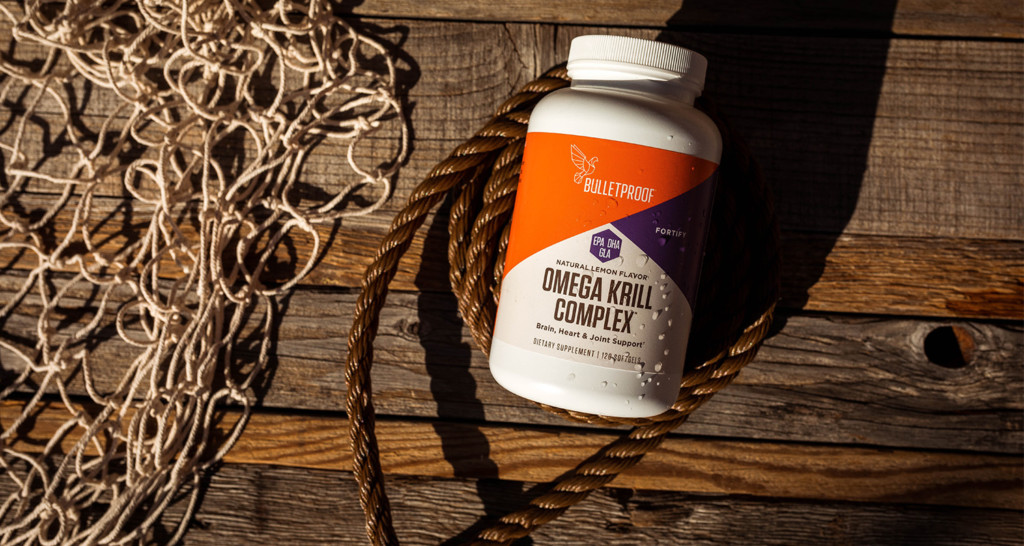
Getting your DHA from fish or krill oil is also a fantastic option, especially if organ meats and fatty fish aren’t a regular part of your diet. Here are a few things to keep in mind when choosing a fish oil supplement:

  • Quality (and quantity): You want a fish oil supplement that will fight inflammation and boost your brain. But you might be doing just the opposite if your supplement is oxidized (damaged) or low quality.[ref url=”https://www.ncbi.nlm.nih.gov/pmc/articles/PMC4681158/”] Fish oils are easily damaged by heat and air, and many brands are contaminated with pollutants, oxidized, or low in EPA and DHA. One study showed that of 32 different fish oil supplements, only three of the brands contained amounts of EPA and DHA equal to or greater than the amount claimed on the bottle.[ref url=”https://www.nature.com/articles/srep07928″] Krill oil is a more stable option than fish oil because it contains the powerful antioxidant astaxanthin that helps prevent oxidation.
  • The phospholipid factor: This is also where krill wins out. The DHA and EPA in krill oil supplements are packed into phospholipid molecules. Remember, phospholipids make up nearly every cell membrane in your body — that means you can absorb them quickly and easily.[ref url=”https://www.ncbi.nlm.nih.gov/pubmed/21854650″] 
  • Sustainability: Like whole fish, always source your fish oils from wild-caught fish instead of farmed. Farmed fish are often raised on unnatural, inflammatory diets with high omega-6 levels, and plenty of toxins, and are actually more damaging for the environmentKrill are lower on the food chain, so krill oil packs fewer toxins, and a more sustainable harvest.

Dose matters
While quality certainly tops quantity, it pays to know the right amount of fish oil to maximize your benefit. You want to take at least 250-500 mg a day of DHA and EPA combined, with higher doses recommended for specific conditions such as depression, pregnancy, or high triglycerides.[ref url=”https://www.who.int/nutrition/topics/FFA_summary_rec_conclusion.pdf?ua=1″][ref url=”https://www.ncbi.nlm.nih.gov/pubmed/12588750″]

Overall, the higher the dose, the more likely you are to see benefits. In one study, 900 mg of DHA a day improved learning and memory in older adults.[ref url=”https://www.ncbi.nlm.nih.gov/pubmed/20434961″] Doses up to 3000 mg a day have been studied and deemed safe by the USDA.[ref url=”https://health.gov/dietaryguidelines/dga2010/dietaryguidelines2010.pdf”] Just remember that a small dose of high-quality omega-3-rich oil is more beneficial than a larger dose of oxidized or contaminated oils.

Each serving of Omega Krill Complex (2 softgels) contains 885 mg of DHA and 480 mg of EPA. Take two, twice a day, with food, and feel content knowing you’re taking one of the most powerful, high-quality omega-3 supplements on the market.

Read Next: What to Look for in a Krill Oil Supplement
 

Why You Need to Back Away From the Nutritional Yeast

[tldr]

  • Nutritional yeast, or “nooch”, is a dried, inactive form of a yeast called Saccharomyces cerevisiae. It looks like yellow fish flakes, and even though it’s high in B vitamins, it’s definitely not a superfood.
  • Yeasts almost always contain high levels of mold toxins. They also encourage a yeast-like fungus called Candida albicans to grow in your body, which changes the fungal biome of your gut.
  • Gut imbalances cause brain fog, fatigue, food cravings, inflammation, mood changes, weight gain, and even neurological disorders.
  • Lots of dairy-free recipes use nooch to concoct cheese-like sauces. You can do this without the inflammatory yeast by using full-fat coconut milk, butter, ghee, and MCT oil.
  • Instead of nutritional yeast, eat nutrient-dense foods like grass-fed meat and organic dark leafy greens.
  • If you’re vegan, load up on plant-based foods high in B vitamins, like dark leafy greens, almonds, and avocados.

[/tldr]

I’m going to piss off tons of vegan and vegetarian readers when I say this, but nutritional yeast (or “nooch”) isn’t good for you.

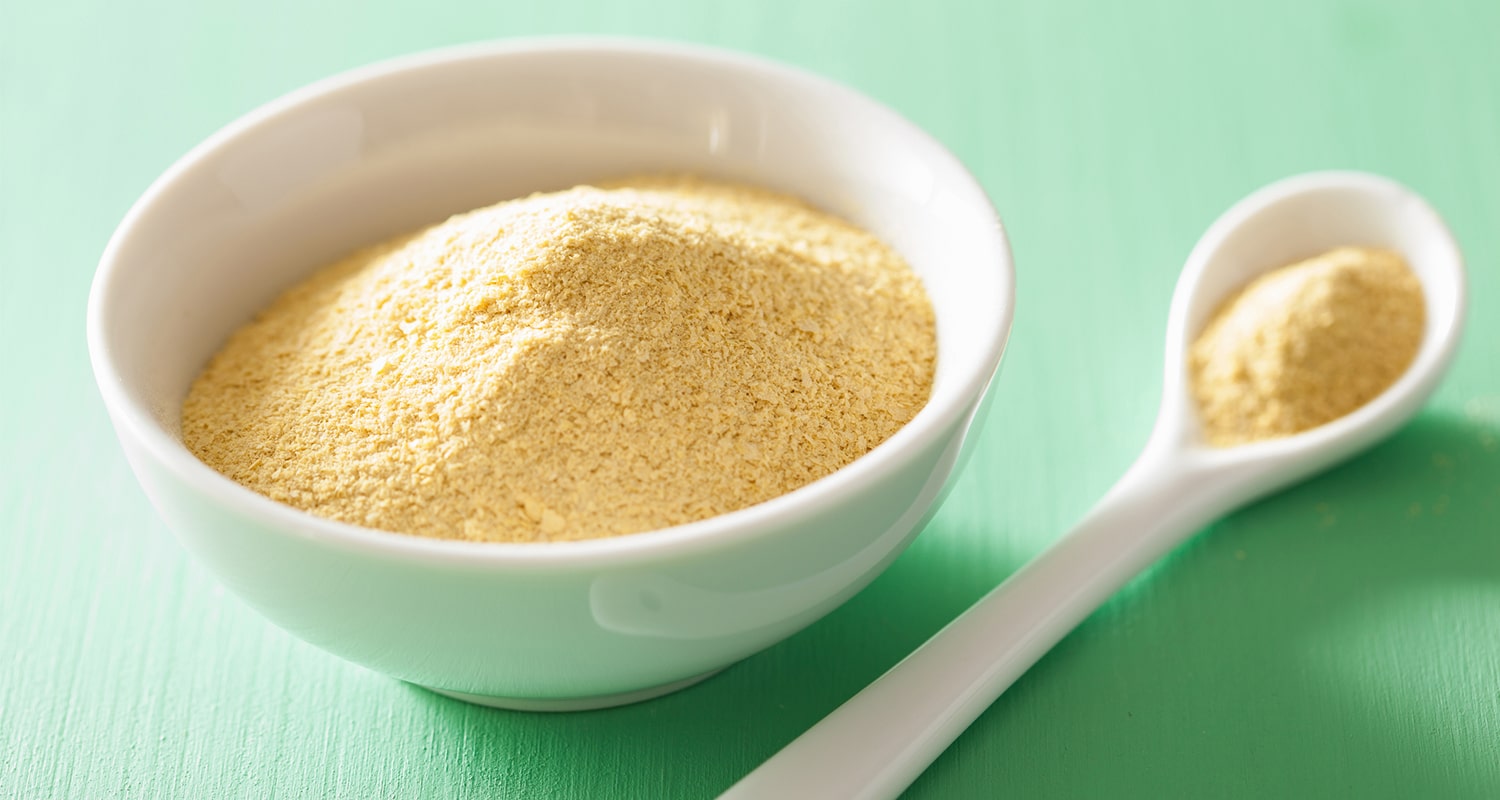
Sure, it’s packed with vitamin B12, and it’s an ingredient in every vegan “cheese” sauce from here to Timbuktu. However, those yellow flakes that look remarkably like fish food contribute to food cravings, energy lags, and not-so-good fungal changes in your gut biome.

If you feel great when you eat nutritional yeast, more power to you — but if you’re thinking of adding this so-called “superfood” to your diet, then I strongly suggest that you pay close attention to the way it makes you feel. Why? Yeasts almost always contain high levels of toxins that hamper your performance and keep you from feeling your best.

Here’s the lowdown on nutritional yeast and what you should eat instead.

Download this handy guide about what foods to eat and what foods to avoid on the Bulletproof Diet 

What is nutritional yeast?

Bowl and spoon of nutritional yeast

Nutritional yeast is a dried, inactive form of Saccharomyces cerevisiae. That’s the same species of yeast used to brew beer and bake bread. It has a slightly cheesy, umami flavor, and it’s a staple in vegetarian and vegan pantries because it has an impressive nutrient profile. Nooch is naturally packed with B vitamins, which fight off homocysteine — an amino acid which increases brain shrinkage and may lead to Alzheimer’s.[ref url=”https://www.health.harvard.edu/staying-healthy/in_brief_b_vitamins_and_homocysteine”][ref url=”https://www.ncbi.nlm.nih.gov/pubmed/12849121″] 

It’s often hailed as a non-dairy alternative because it dissolves easily in liquid and looks vaguely like cheddar, so you can use it to concoct “cheesy” sauces. I’m all for limiting exposure to the inflammatory proteins and oxidized (aka damaged) fats found in processed dairy, but is nutritional yeast worth the hype? Nope. Here’s why.

Why nooch is a bad idea

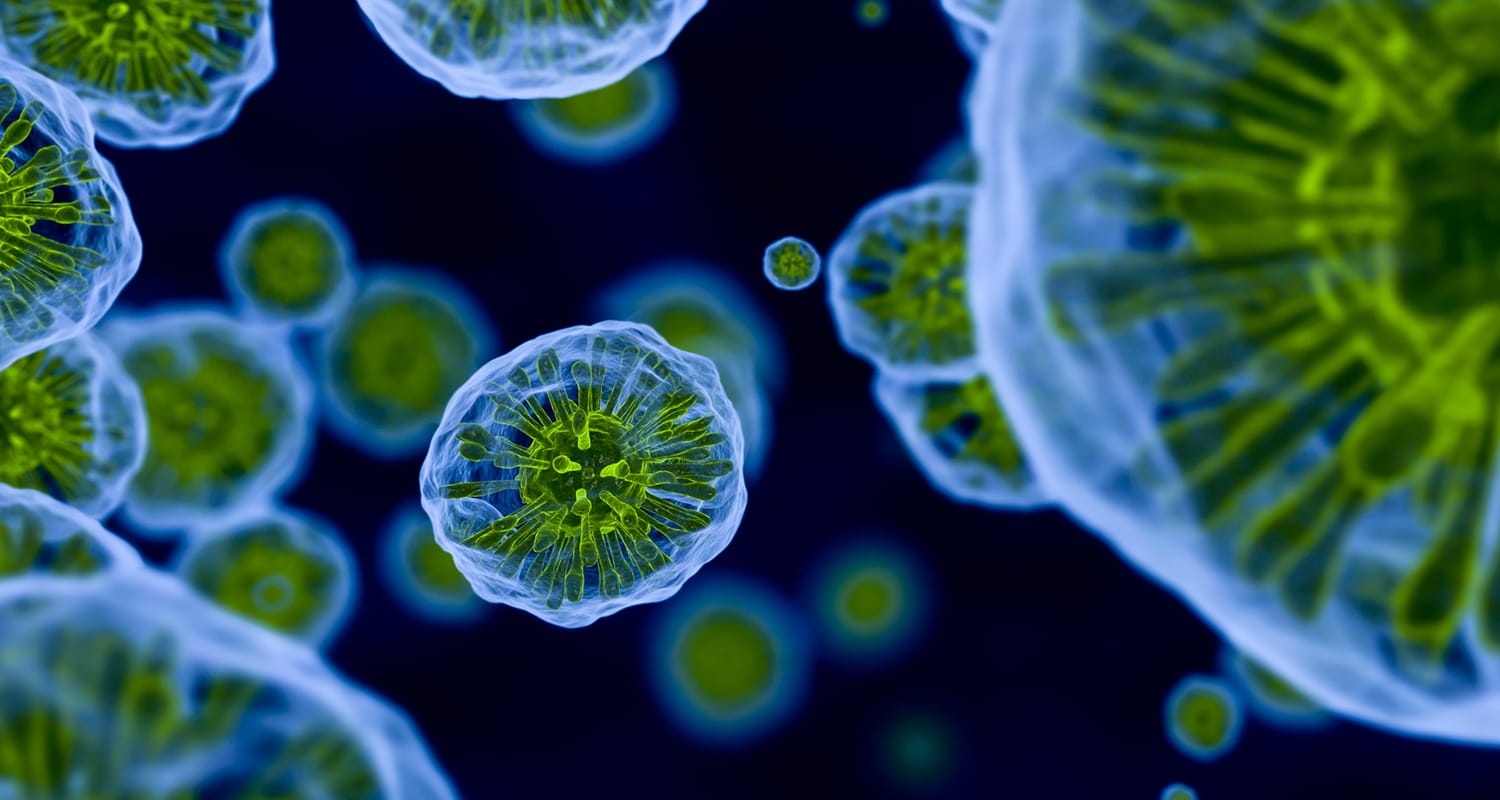
Close-up of gut microbes

Your gut is a big deal. When your gut is inflamed or imbalanced, it sends a signal to your brain via the gut-brain axis. Scientists are still investigating the relationship between gut and brain health, but new research echoes what I’ve said for years: What happens in your stomach impacts your mood, stress levels, energy, and weight.[ref url=”https://www.ncbi.nlm.nih.gov/pmc/articles/PMC4662178/”][ref url=”http://advances.sciencemag.org/content/2/1/e1500997″][ref url=”https://www.sciencedirect.com/science/article/pii/S0924933816008464″][ref url=”https://www.nature.com/articles/mp201650″]

As I say in “The Bulletproof Diet,” yeasts almost always contain high levels of mold toxins.[ref url=”https://www.fda.gov/Food/FoodScienceResearch/LaboratoryMethods/ucm2006949.htm”]  After all, they’re fungi. When you eat yeast, it encourages a yeast-like fungus called Candida albicans to grow in your body, which changes the fungal biome of your gut. Here’s why that’s bad news:

  • Toxins from yeast contribute to sugar cravings. Sugar is food for yeast, and studies indicate that gut microbes manipulate your eating behavior so they have more tasty fuel — even at your expense.[ref url=”https://www.ncbi.nlm.nih.gov/pmc/articles/PMC4270213/”]
  • Gut microbiome imbalances contribute to fatigue and brain fog, thanks to cellular damage.[ref url=”https://www.ncbi.nlm.nih.gov/pubmed/7476598″] Those imbalances also cause systemic inflammation.[ref url=”https://www.ncbi.nlm.nih.gov/pmc/articles/PMC4929410/”]
  • A 2016 study found a correlation between Candida and two mental illnesses: bipolar disorder and schizophrenia.[ref url=”https://www.sciencedaily.com/releases/2016/05/160504121327.htm”]
  • Your gut bacteria heavily influence your nutrition. If they’re out of whack, you won’t be able to effectively absorb essential vitamins like vitamin K and and vitamin B12 from your food. Find out how to own your gut bacteria.

Check out this Candida spit test you can do at home tomorrow morning to find out if it’s time to open up a conversation with your doctor about yeast overgrowth. In the meantime, if you want to feel awesome and perform at your peak, avoid all yeasts — including nooch.

What to eat instead of nutritional yeast

"Cheesy" sauce made of butternut squash

Before you do anything else, commit to a healthy gut. Starve the bad yeast and fungi in your system by ditching sugar and eating nutrient-dense foods that actually support a thriving gut microbiome, like what you’ll find on the Bulletproof Diet.

For that cheesy flavor

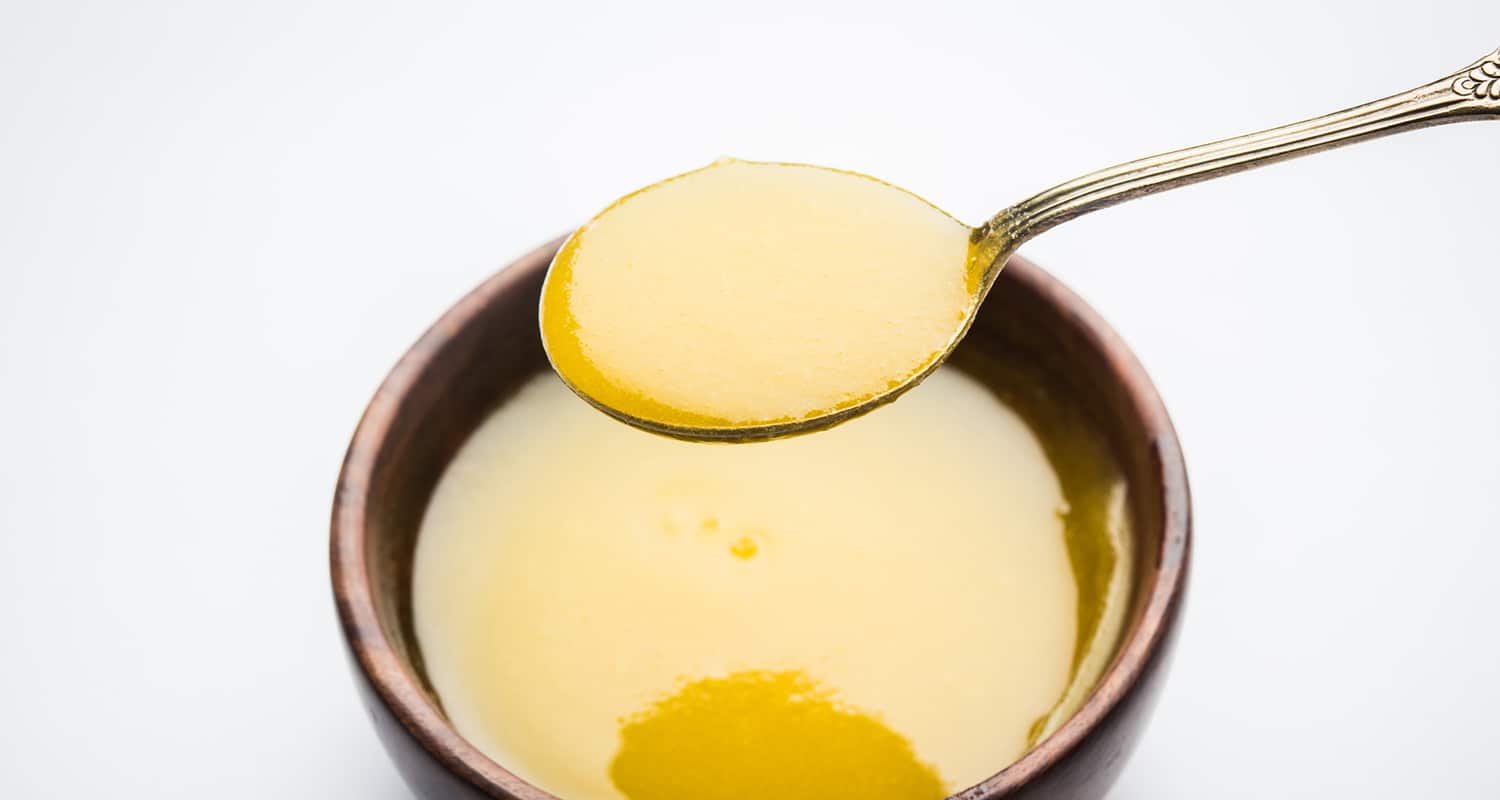
Spoonful of cheese sauce

OK, nothing can really replicate the flavor of cheese. Some people are able to tolerate raw dairy — if that works for you, enjoy full-fat, organic, grass-fed milk, cream, cheese, and yogurt to reap the anti-inflammatory benefits of omega-3s and a fatty acid called CLA (conjugated linoleic acid). CLA also boosts your immune system, makes you stronger, and may even help prevent cancer.

Or just enjoy a bit more grass-fed butter or ghee with your meal. You’ll get vitamins D, E, and K, beta-carotene, butyrate (an anti-inflammatory fatty acid), and none of the inflammation, brain fog, fatigue, and yeast overgrowth associated with nooch.

If dairy doesn’t agree with you (and it doesn’t for a lot of people) you can replicate the mouthfeel of creamy sauces with full-fat swaps like coconut milk, ghee, butter, and MCT oil.

For B vitamins

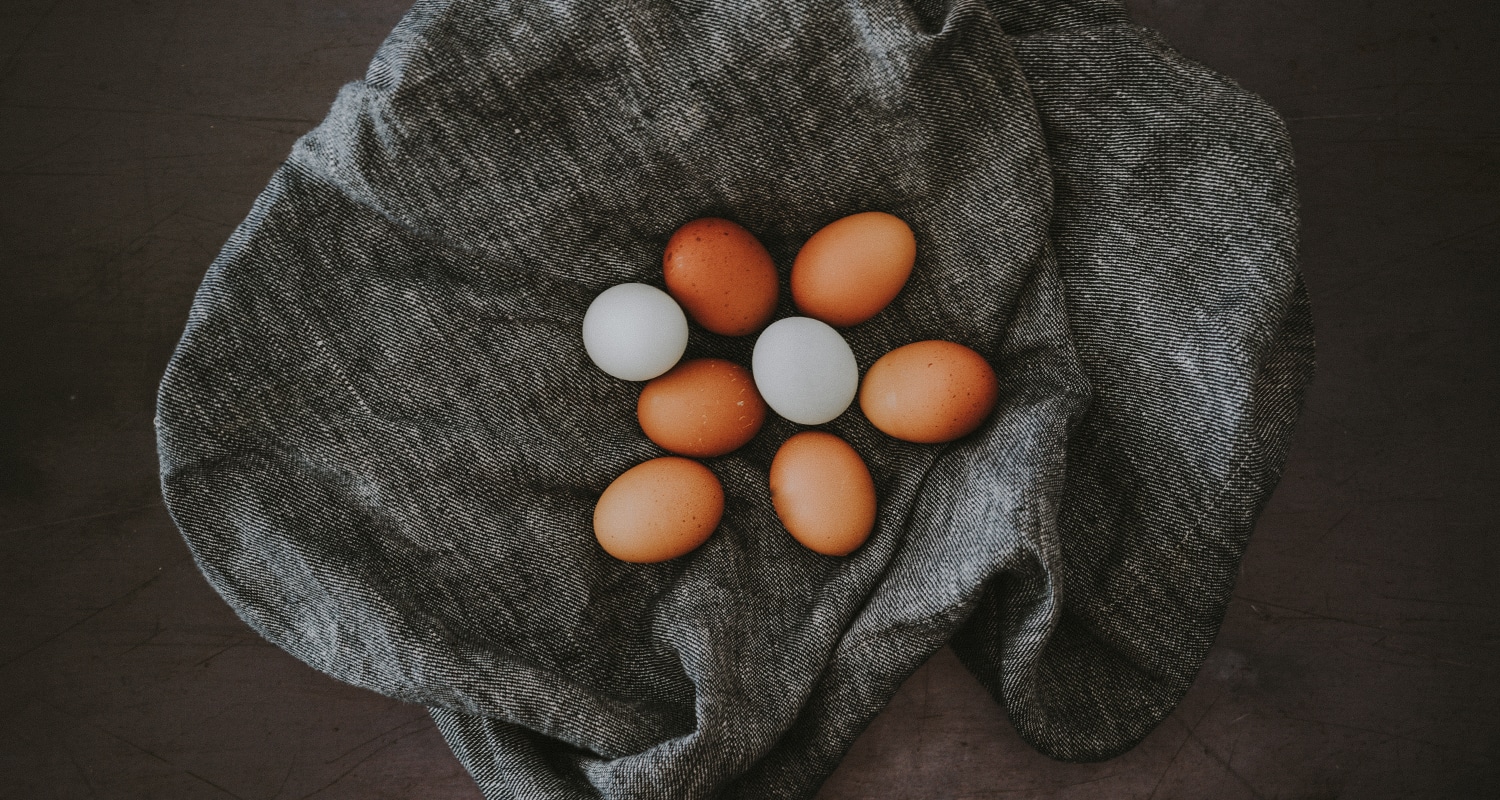
Eggs on a dish towel

Nutritional yeast is high in B vitamins — but so are many delicious foods that make you feel great and taste delicious, like grass-fed meat, pastured eggs, and coffee. If you’re vegan, reach for nutrient-packed sources of B vitamins like almonds, dark leafy greens, and avocados. No matter what diet you follow — keto, Paleo, plant-based, or Bulletproof — there are plenty of way more nutrient-dense foods available that won’t wreck your gut flora like yeast will.

For climate change

Broccoli on green background

Do you eat nutritional yeast instead of dairy because you’re swearing off animal products for the planet? Check out this post about why grass-fed beef is the better answer to climate change. Contrary to popular headlines, the answer to climate change isn’t to stop eating meat. Instead, eat organic, grass-fed beef, sourced as locally as possible. If it’s too expensive, eat less of it, and bulk up your plate with organic vegetables, healthy fats, and the occasional sweet potato.

TL;DR: You don’t have to eat yellow flakes just because someone told you that it’s good for your health. If you want to perform at your peak, don’t eat like a fish — eat like your grandma and fill your plate with organic, grass-fed, nutrient-dense whole foods.


What Is Negativity Fasting and Can It Make You Happier?

  • Negativity fasting can help you break negative thought loops, learn to control your emotions in a healthier way, and become an overall happier, more resilient person.
  • Your thoughts have momentum, and if you’re in a negative rut, it can be hard to get out of it. The good news is that positivity has momentum too, and with a little effort, you can break negative thought patterns and replace them with good ones.
  • To start a negativity fast, try getting off social media and news for the next week. Learn how to interrupt negative thought loops with positive self-talk, and incorporate a gratitude practice into your daily routine.

In this Bulletproof Radio podcast episode [iTunes], life coach Luke Storey talks about negativity fasting, one of his most useful tools for getting through challenging times.

“[Negativity fasting] is a spiritual practice,” Storey says. “Any time my perception paints something as dark, negative, wrong, bad…[negativity fasting] is deleting that thought, eliminating that thought. I truly believe that reality is created by the thoughts we have.”

Negativity fasting may sound simple, but it’s also powerful. With the right psychological tools, you can gain more control over your thoughts than you might think. Storey has used negativity fasting to hack childhood trauma and drug addiction; today, he’s happier and healthier than he’s ever been.

If you struggle with racing thoughts, anger, depression, or anxiety, negativity fasting might be worth your time. Here’s a step-by-step guide to getting control of negative thoughts.

Related: Unexpected Ways to Build Resilience in 7 Days

The neuroscience of negative thinking

Neuroscientists have a saying: “Neurons (brain cells) that fire together, wire together.”

In other words, the more a certain pathway in your brain lights up, the stronger the connections along that pathway become, and the easier it is for your brain to default to that pathway in the future. With enough repetition, your everyday mental habits become automatic.

Basically, your thoughts have momentum. The more negative your thinking, the easier it is to continue being negative. The opposite is true too, though: positivity leads to more positivity, and also makes you less reactive to negative things.

So while forcing positivity may feel useless at first, it actually makes a difference in the long term. You can fake it until you make it with positivity, and you can use a few other hacks to get rid of negative thought loops and become a happier, more positive person. That’s where negativity fasting comes in.

Negativity fasting: 3 ways to rewire your brain for positivity

Negativity fasting involves cutting negativity out of your life and catching yourself when you start to spiral into a negative thought loop. For the next week, use these three psychological hacks to rewire your brain for positivity.

1. Get off news and social media


Have you ever seen a video of someone standing on a high ledge, looking over it? If so, odds are your palms probably started sweating. Maybe you got that sinking feeling in your stomach.

That happens because your brain isn’t good at differentiating between a real threat and a fake one. We didn’t evolve with videos and pictures; seeing scary things in print or online lights up your amygdala (the emotion and fear center of your brain) almost as much as if the event were happening in front of you. It even happens with words.

To your brain, that car crash on the news feels pretty real. So does the article telling you the country is falling apart. You’re also more likely to remember negative things than you are positive ones. Media companies know this; that’s why the most horrible stories make headlines and positive stories are buried a few pages back.

If you want to reduce negativity in your life, try getting off news and social media for a week. People who dropped social media were happier within days, socialized with friends more, and had less polarized views of the world. Unplug from news and social media for the next week and see if you feel happier.

2. Interrupt negativity with positive self-talk

For the next week, make it a point to watch for negative thought loops. Every time your brain starts spiraling into negativity, notice that it’s happening, then interrupt it with positive thoughts — for example, if you start beating yourself up for falling short at work, interject with something like, “You did your best. How can you do better next time?”

It may sound simplistic and silly, but positive self-talk like that really works. It makes you happier and increases your ability to deal with negativity without letting it overwhelm you. Every time you cut off a negative thought loop and replace it with positive thoughts, you’re weakening the negative pathways in your brain and strengthening the positive ones. Over time, you’ll default more and more toward positivity instead of negativity.

Related: How to Set Goals and Actually Achieve Them

3. Rewire your brain using gratitude

Focusing on the good in your life makes it easier to weather difficult times. When you consciously focus on things for which you’re grateful, you become significantly more resilient to negative events and are happier overall. There are lots of different ways to practice gratitude; for the next week, add one (or several) gratitude practices to your daily routine and pay attention to how you feel.

Negativity fasting is a great way to hack your brain for more positivity. It can be a valuable tool, especially when you’re going through something challenging. Give it a try today.

Follistatin: Grow Muscle, Fight Fat, and Boost Fertility

[tldr]

  • Follistatin is a protein that you make naturally. Your body uses it to control your metabolism, grow muscle, and boost fertility. 
  • Increasing follistatin can help you put on muscle very quickly, and may help you burn a significant amount of body fat as well.
  • Boosting follistatin may also improve your sexual health.
  • You can increase follistatin naturally through diet, or you can use a supplement for more pronounced benefits. Details are below.
[/tldr]

Follistatin is a well-kept secret in the bodybuilding community. The science on this valuable protein is still relatively new, but according to limited human research, a follistatin supplement can increase muscle growth up to 200 percent, help you shed body fat, and enhance fertility, whether you’re a man or a woman.

Your body makes follistatin naturally. It’s a protein that activates when you work out, and it plays an essential role in helping your muscles get stronger. If you consciously control your follistatin levels — either by increasing it naturally or with a supplement — you can see much faster results in the gym.

Here’s everything you need to know about follistatin — how it works, how to increase your levels, and the best follistatin supplements.

Download these printable workout routines for building muscle, losing weight, and boosting energy 

How follistatin helps you build muscle and burn fat

Have you ever seen a Belgian Blue bull? They’re gigantic and rippling with muscle. Belgian Blues gain muscle and burn fat at an incredible rate, thanks to a genetic mutation that decreases a protein called myostatin. Humans have myostatin too, and it does the same thing in you that it does in a Belgian Blue: it blocks muscle growth. When myostatin is high, your muscles don’t rebuild themselves[ref url=”https://www.ncbi.nlm.nih.gov/pubmed/12717734″][ref url=”https://www.ncbi.nlm.nih.gov/pmc/articles/PMC2954636/”].

But if you can suppress myostatin, your muscles will grow rapidly. You’ll see dramatic increases in strength and muscle size[ref url=”https://www.ncbi.nlm.nih.gov/pubmed/12717734″][ref url=”https://www.ncbi.nlm.nih.gov/pmc/articles/PMC3857584/”].

That’s where follistatin comes in. It mimics what Belgian Blues have naturally — it blocks myostatin, which allows your muscles to grow rapidly[ref url=”https://www.ncbi.nlm.nih.gov/pubmed/19435857″].

Follistatin also blocks activins, compounds that can slow down your metabolism and harm your reproductive system when they get too high[ref url=”https://www.ncbi.nlm.nih.gov/pubmed/26884470″].  By blocking activins with follistatin, you can enhance your fertility and increase fat burning.

That’s how it works. Now let’s take a look at the benefits of increasing this protein.

The benefits of follistatin

Follistatin helps you build muscle

In a 2014 study, healthy people took either follistatin or placebo orally for eight weeks, alongside a weight-lifting program. Follistatin suppressed myostatin by 44 percent, which tripled muscle growth[ref url=”https://www.ncbi.nlm.nih.gov/pmc/articles/PMC4271642/”].

Another study found that injecting people with epicatechin, a compound that boosts follistatin, increased people’s strength after only a week[ref url=”https://www.ncbi.nlm.nih.gov/pmc/articles/PMC3857584/”].

There aren’t any other human studies that use follistatin because it’s so new. There is a fair amount of animal research though. Giving rodents follistatin increases their muscle gain and makes them lose fat, even when they eat a diet designed to make them gain fat[ref url=”https://www.ncbi.nlm.nih.gov/pubmed/16404405″]. It also boosts strength and muscle growth in monkeys[ref url=”https://www.ncbi.nlm.nih.gov/pubmed/20368179/”].

It’s worth noting that taking follistatin won’t make you grossly muscular like those cattle. You’ll still produce myostatin when the follistatin wears off. But using it in a targeted way, alongside a workout program, seems to be a recipe for rapid muscle gain.

Related: Branched-Chain Amino Acids: What are BCAAs and Do They Grow and Repair Muscle?

Follistatin may help you burn fat

There’s no good human research on follistatin and fat-burning. However, two studies have found that giving mice follistatin makes them burn more fat and shrinks their fat cells, even when they eat a diet specifically aimed at making them fatter[ref url=”https://www.ncbi.nlm.nih.gov/pubmed/21205933″][ref url=”https://www.ncbi.nlm.nih.gov/pubmed/16404405″].

Follistatin could improve fertility — in both men and women

It’s not entirely clear how follistatin affects fertility, but growing evidence suggests that high levels could make you more fertile.

Follistatin inhibits activins, compounds that cause reproductive aging and gradually increase as you get older[ref url=”https://www.ncbi.nlm.nih.gov/pubmed/26884470″]. High follistatin supports healthy pregnancy and birth[ref url=”https://www.ncbi.nlm.nih.gov/pubmed/9071973/”], and hormone therapy during menopause recovers decreased follistatin levels, which eases a lot of the side effects of menopause[ref url=”https://www.ncbi.nlm.nih.gov/pubmed/19696363″].

High-quality sperm is rich in follistatin[ref url=”https://www.ncbi.nlm.nih.gov/pubmed/9886507″][ref url=”https://www.ncbi.nlm.nih.gov/pubmed/11275954″], although there isn’t enough research to say whether increasing follistatin improves fertility in men.

This research isn’t quite as clear as the science on follistatin and muscle growth, but it’s possible that boosting it could increase your fertility.

How to increase follistatin naturally

You have two options when it comes to enhancing your follistatin levels: lifestyle changes or a supplement.

You’re best off injecting follistatin as a supplement (see below). If that turns you off, use these tools to increase your follistatin naturally.

Work out while fasted

Exercise, particularly strength training, increases follistatin levels naturally and decreases myostatin, which leads to muscle growth[ref url=”https://www.ncbi.nlm.nih.gov/pubmed/19696363″]. No surprises there.

If you want an extra follistatin boost, combine a strength workout with intermittent fasting. Healthy men who exercised in a fasted state (no food) saw a big increase in follistatin levels[ref url=”https://www.ncbi.nlm.nih.gov/pubmed/21068158″].

Eat fertilized egg yolks

This sounds gross, but it’s perfectly safe, and it’s great for you. Fertilized eggs contain a lot of follistatin. The people who tripled their muscle growth over eight weeks were eating an extract from fertilized eggs[ref url=”https://www.ncbi.nlm.nih.gov/pmc/articles/PMC4271642/”].

Eat more epicatechins

Epicatechin is an antioxidant that increases your follistatin levels[ref url=”https://www.ncbi.nlm.nih.gov/pmc/articles/PMC3857584/”]. You can find epicatechin in a bunch of different foods, including:

  • Cacao powder, the best source of epicatechin[ref url=”http://phenol-explorer.eu/contents/polyphenol/125″]
  • Dark chocolate
  • Green tea
  • Blackberries
  • Raspberries

Add these foods to your diet to increase your follistatin levels.

Follistatin supplements

The most efficient way to increase follistatin is by taking a supplement. The downside is that you have to inject it.

You can find purified follistatin powder online. It’s legal and there don’t appear to be any major side effects to taking it. However, you want to be sure you inject it correctly. Make sure you reconstitute the follistatin using bacteriostatic water and inject it directly into your muscle with a sterile syringe. You can find guides to injecting yourself online, or, if that makes you nervous, you can talk to a doctor, a nurse, or someone else who has had injection training.

There’s no official dose for follistatin, but based on the research cited in this article and on anecdotal reports, 100-300 micrograms is a good dose range.

This is one of the more experimental supplements in biohacking. It shows a lot of promise for muscle growth, but it’s still quite new, and it requires using a needle. Experiment with it at your own risk, and make sure you know what you’re doing if you inject it yourself. Always biohack responsibly.  

And if follistatin is a little too out there for you, don’t despair. There are plenty of workout supplements that actually work and don’t require using a needle. Pick one (or several) of them for faster results in the gym.


Soothe Dry Skin With These 8 Natural Remedies

[tldr]

  • You can prevent and treat dry skin without chemical-laden products.
  • Plant oils, including avocado oil, coconut oil, and argan oil, are all great dry skin remedies. 
  • Avoiding hot showers, cutting down on soap, and using a humidifier may also help to replenish skin’s moisture in dry months.
  • Oatmeal baths help repair the skin’s barrier and fight inflammation, and in studies, colloidal oatmeal has been shown to improve dry, cracked skin in as little as a day.
  • Hyaluronic acid, a naturally occurring molecule, can also help to restore skin’s moisture when applied topically or when taken in supplement form.

[/tldr]

Ah, the joys of winter. The bitter cold. The short days. The punishing dry air that seems to turn your skin into an itchy, inflamed, reptilian mess. And the latter isn’t in your head—research shows that cold weather affects our skin even on a cellular level.[ref url=”https://onlinelibrary.wiley.com/doi/full/10.1111/bjd.16150″] While sub-zero temperatures and the lack of sunlight might be out of your control, your dry skin isn’t.

Fortunately, there are a number of natural dry skin remedies that may already be at your fingertips.

“There is a natural barrier between the skin and your insides. This keeps us from drying up like a leaf in winter—keeps your insides in and the outside out. The part of the skin that we perceive as dry is the outermost layer, or keratin layer,” says Barbara Reed, MD, a Denver-based dermatologist. To keep this outer layer happy you have to keep it moisturized.

With a couple of exceptions (noted below), science has yet to show that the food you eat hydrates your skin from the inside out.

“Most things we eat do not reach that outermost layer in significant amounts,” explains Reed. However, that doesn’t mean that chemical-laden products are your only ticket to relief. Case in point? These natural remedies for dry skin.

8 Natural Dry Skin Remedies

Smarter showers

“Most commonly dry skin is an ‘outside job’—that is, it happens because of too much hot water and soap and not enough moisturizer,” Reed says.

In the winter, it’s tempting to stand for ages in a hot shower, soaking up the warmth. While this might feel good, it’s not helping your skin.

“[Hot showers], along with the soap we apply, strips the skin of its natural moisture,” says Reed. 

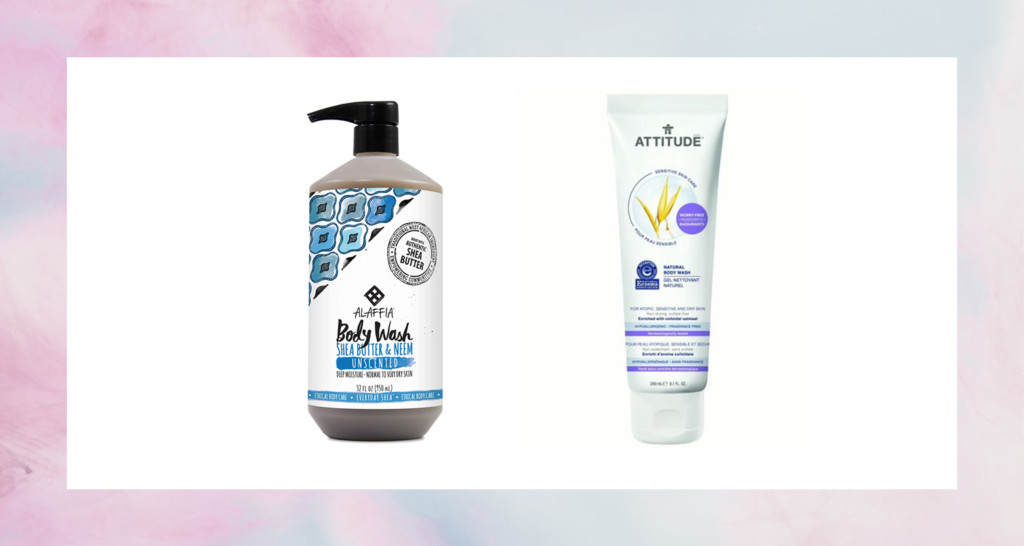
The solution? Use lukewarm water instead of scalding suds, and trim down your shower or bath times to no more than 10 minutes. And while you’re at it, you can cut down on soap, too, which can remove the skin’s protective oils. Look for moisturizing or soap-free cleansers to use in the shower and apply a simple non-fragranced cream or oil after you towel off.

Try it:

Alaffia Shea Body Wash, $14.99

Shea butter and virgin coconut oil team up to hydrate skin in this no-frills cleanser.

Attitude Natural Body Wash, $10.95

This Environmental Working Group-approved, hypoallergenic formula gives you peace of mind as well as soft, touchable skin.

Humidifier

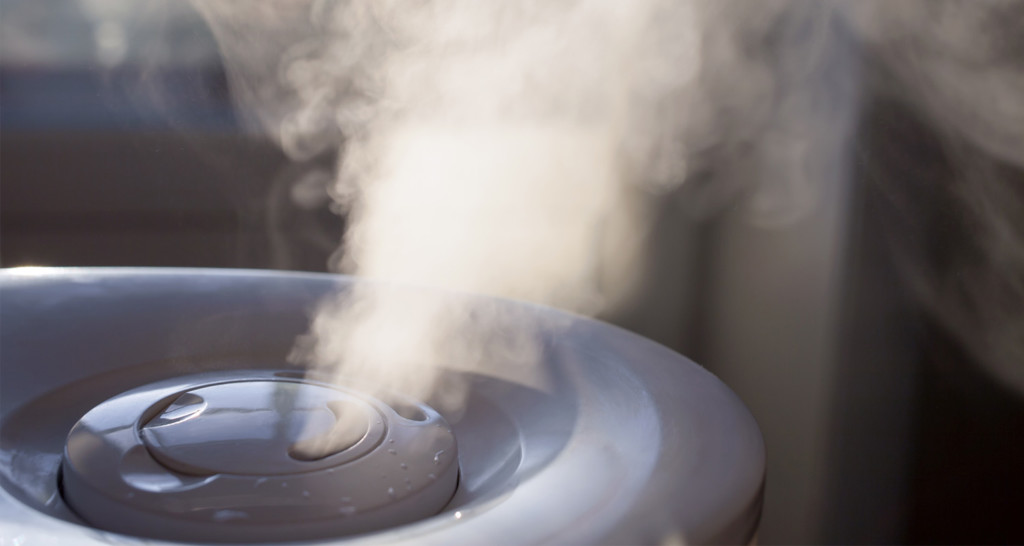
During colder months, many people are living in an environment with decreased humidity, Reed says. One of the least labor-intensive dry skin remedies? Add humidity to the room using a humidifier. Setting it to about 60 percent should give your skin the dose of moisture it needs. Just be sure to keep your humidifier clean, as it can breed mold easily if neglected. Try this Honeywell Cool Mist humidifier

Oatmeal baths

When you were a kid, did your mom ever have you soak in a tub of oatmeal to get relief from chicken pox or poison ivy? There’s something to this quaint-sounding balm.

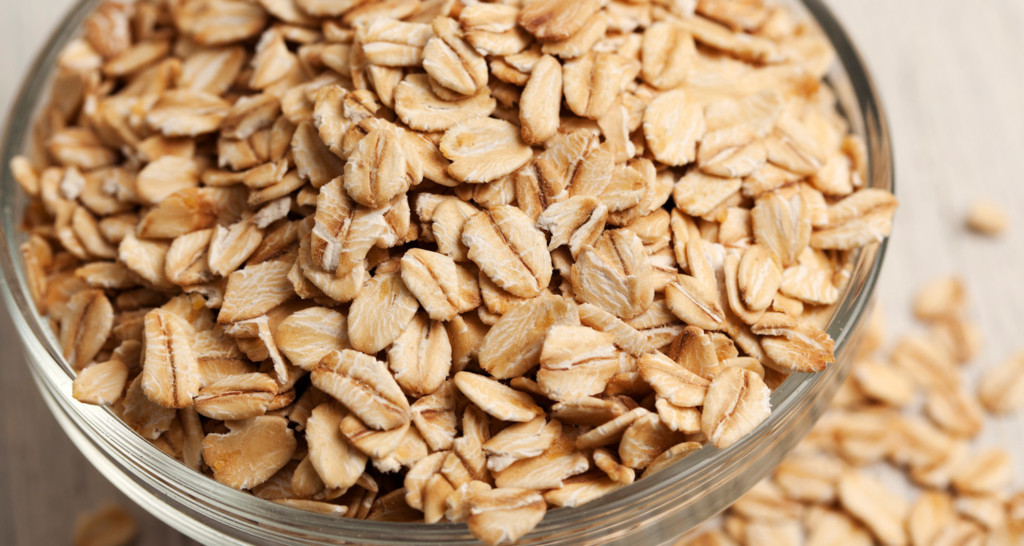
Oats contain anti-inflammatory antioxidants as well as lipids that are rich in omega-3 and omega-6 fatty acids, making it one of the most effective dry skin remedies. A 2015 study found that applying colloidal oatmeal (finely ground whole oat kernels) to dry skin significantly improved skin’s dryness, scaliness, itchiness, and cracking after just one day. And as participants kept applying the oatmeal over the next two weeks, their skin barrier continued to show improvements.[ref url=”http://jddonline.com/articles/dermatology/S1545961615P0043X”] Load up the bath with colloidal oatmeal (aka finely ground oat kernels), or apply it directly to skin in lotion form.

Try it:

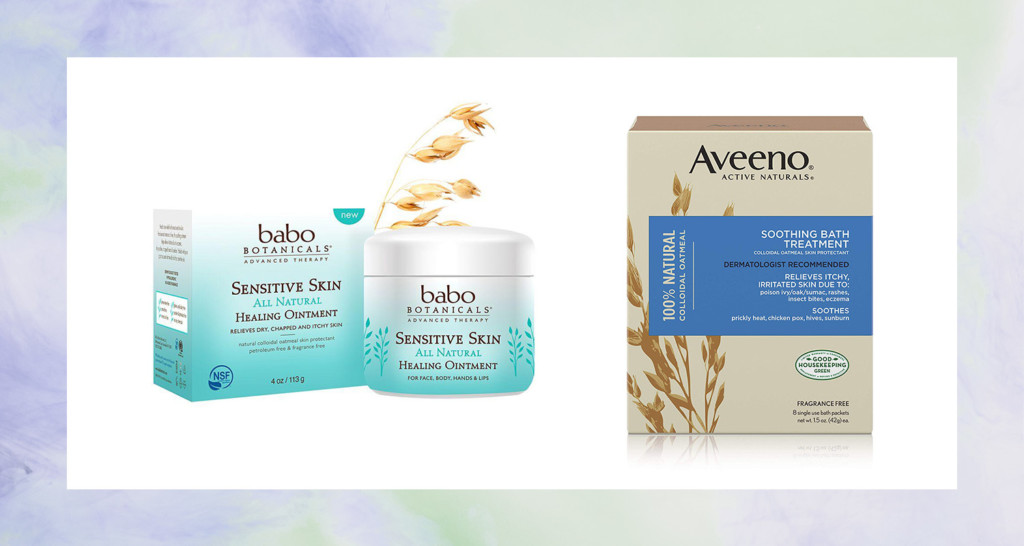
Aveeno Soothing Bath Treatment, $6.53

For convenience, pure colloidal oatmeal comes in eight pre-measured, single-use packets.

Babo Botanicals Advanced Therapy Sensitive Skin All Natural Healing Ointment, $18.95

Babo Botanicals harnesses the healing powers of colloidal oatmeal in lotion form. Simply apply it to dry, itchy, chapped, or irritated skin.

Avocado

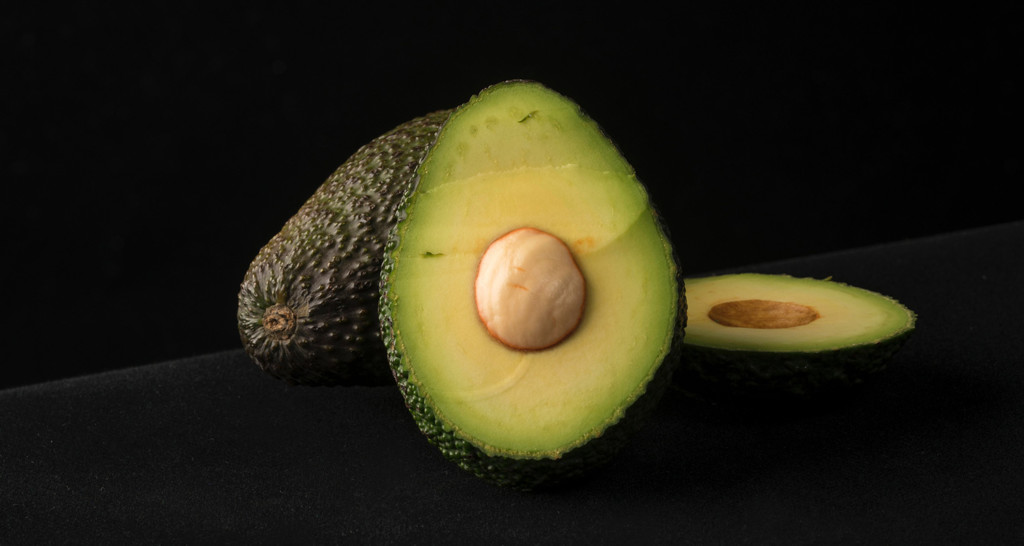
Brimming with monounsaturated fat, avocados are a Bulletproof-friendly addition to any plate—and they’re one of the best dry skin remedies, too. Research shows that eating a higher amount of monounsaturated fats, like the ones found in those pale green pitted orbs, may hydrate skin[ref url=”https://academic.oup.com/ajcn/article/77/2/348/4689673″] and improve skin elasticity. Plus, they contain skin-protecting lutein and zeaxanthin.[ref url=”https://www.tandfonline.com/doi/full/10.1080/10408398.2011.556759?scroll=top&needAccess=true”]

But the avocado’s utility doesn’t end with salads and guacs. Avocado oil becomes an ally to your epidermis when applied topically. It helps skin hold in moisture, and alleviates dry, damaged, and chapped skin. In addition, it may have the power to reduce inflammation and heal wounds.[ref url=”https://www.ncbi.nlm.nih.gov/pmc/articles/PMC5796020/”]

Try it:

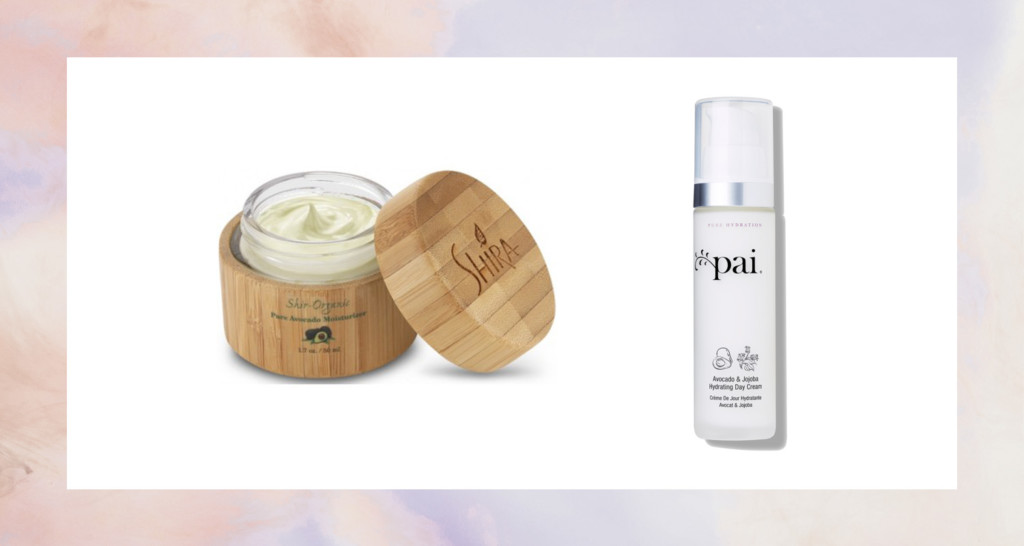
Shira-Organic Pure Avocado Moisturizer, $48

This moisturizer lets organic virgin avocado oil take the spotlight to treat dry skin.

Pai Avocado & Jojoba Hydrating Day Cream, $55

Designed specially for those with sensitive skin, Pai’s day cream blends avocado oil with nourishing jojoba extracts to hydrate skin.

Coconut oil

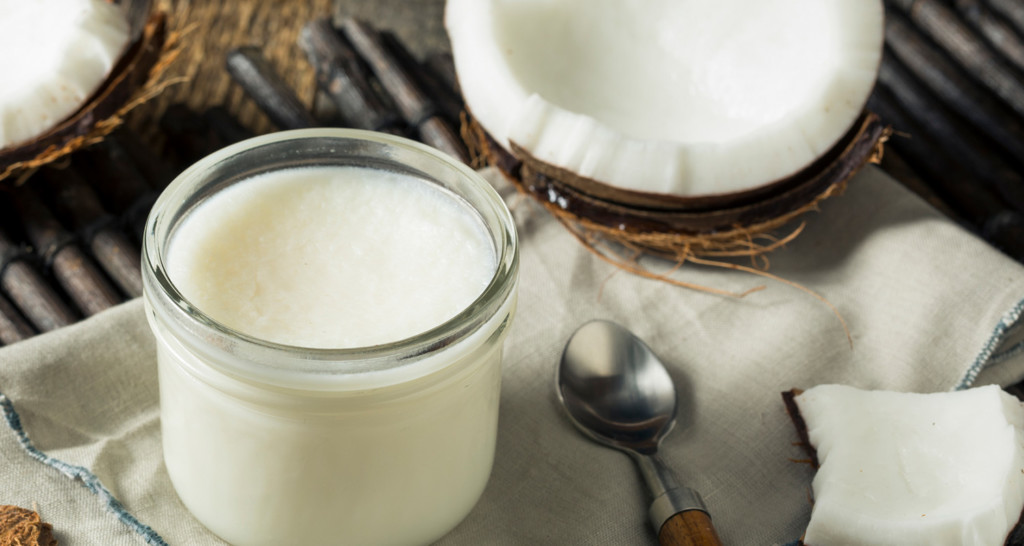
Ranking high on the list of Bulletproof-approved foods, coconut oil boasts a whole bevy of benefits when consumed. The same nutritional components that give coconut oil its edge also work to hydrate skin. Coconut oil is chock-full of saturated fats, antioxidants, as well as some medium-chain fatty acids that help protect and nourish your skin barrier.

Research looking at the effects of coconut oil on eczema found that virgin coconut oil is better at strengthening the skin barrier and preventing moisture loss than mineral oil. When applied topically, virgin coconut oil doesn’t just help the skin by creating a protective layer, it also penetrates the skin and reduces inflammation.[ref url=”https://onlinelibrary.wiley.com/doi/full/10.1111/ijd.12339″]

Similarly, another study found that virgin coconut oil was a safe effective way to treat xerosis (rough, scaly skin caused by a defective skin barrier). It effectively hydrated skin and boosted lipid levels in the skin’s surface.[ref url=”https://www.researchgate.net/profile/Vermen_Verallo-Rowell/publication/8009961_A_Randomized_Double-Blind_Controlled_Trial_Comparing_Extra_Virgin_Coconut_Oil_with_Mineral_Oil_as_a_Moisturizer_for_Mild_to_Moderate_Xerosis/links/570e072d08aed31341cf91cf/A-Randomized-Double-Blind-Controlled-Trial-Comparing-Extra-Virgin-Coconut-Oil-with-Mineral-Oil-as-a-Moisturizer-for-Mild-to-Moderate-Xerosis.pdf”]

Try it:

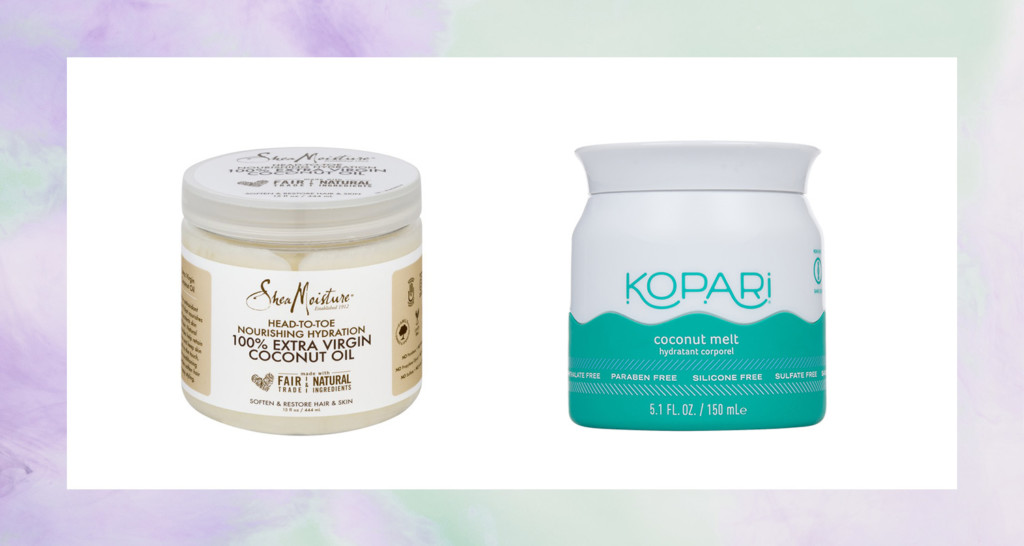
Kopari Organic Coconut Melt, $28

What you see is what you get: a tub of pure, unadulterated organic coconut oil. Beyond your skin-slathering needs, you can also apply it as a hair mask or use it to shave.

Shea Moisture Head-to-Toe Nourishing Hydration 100% Extra Virgin Coconut Oil, $9.19 Don’t be fooled by the meager price tag: This pure coconut oil packs all the benefits you’ll get in more expensive products.

Hyaluronic acid

Hyaluronic acid—a budding star in the skin-care world—is a naturally-occurring sugar molecule. It lubricates your joints and keeps skin looking plump by helping your skin retain moisture. Research backs its ability to quench parched skin when applied topically. You can also ingest it to reap its moisturizing benefits. One study found that taking daily hyaluronic acid supplements for effectively alleviated dry skin.[ref url=”https://www.ncbi.nlm.nih.gov/pmc/articles/PMC4110621/”]

Try it:

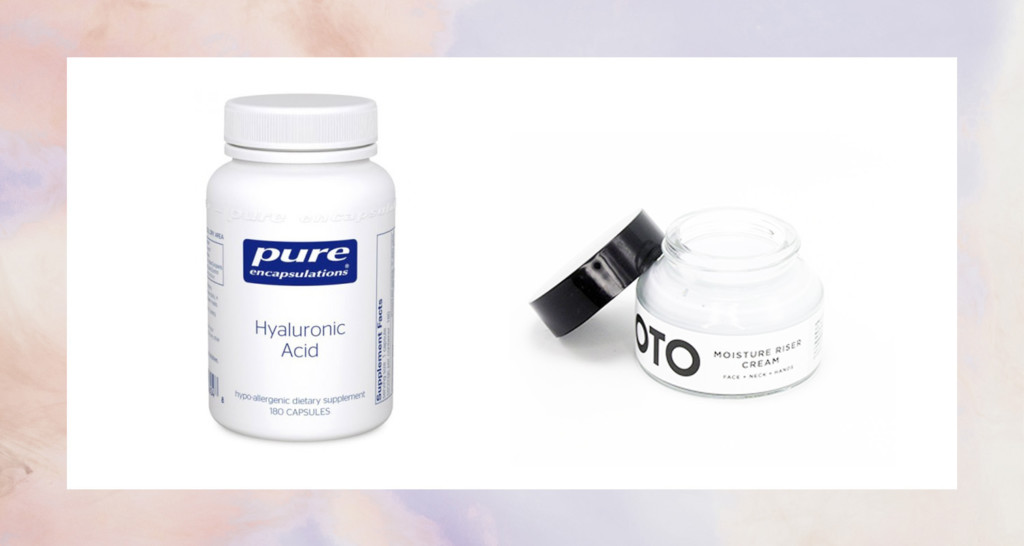
Pure Encapsulations Hyaluronic Acid Supplements, $36.10 for 60 capsules

Each of these vegetarian-friendly pills (some HA is derived from animals) pack 70 milligrams of plant-derived hyaluronic acid.

NOTO Moisture Riser Cream, $49

Hyaluronic acid gets a boost from other natural nourishers, including marula oil and rose geranium oil, in this daily moisturizer.

Argan oil

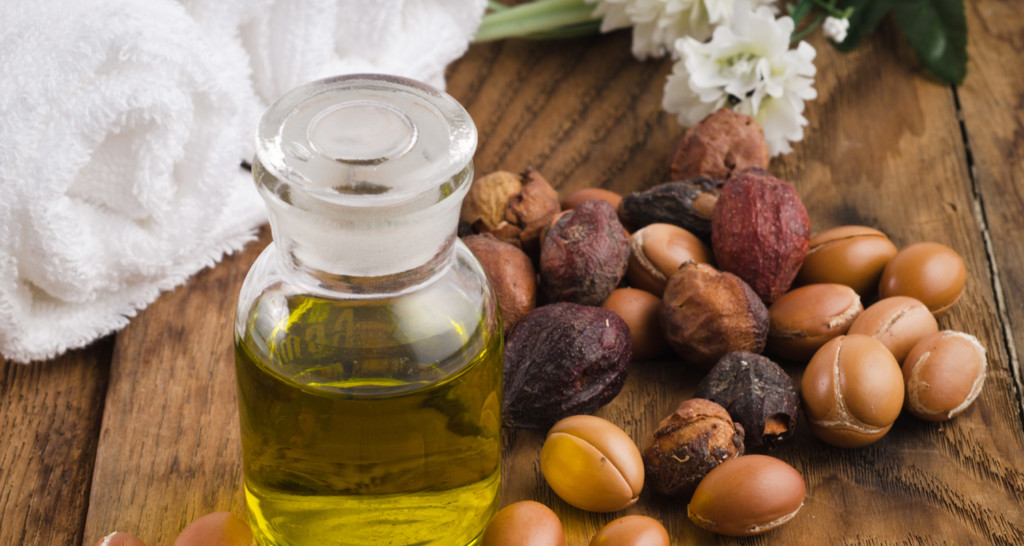
bottle of argan oil and argan fruit

Argan oil might be one of the most versatile oils on the planet. Derived from the humble argan seed, the oil possesses a number of skin- and hair-boosting benefits, but chief among them is its ability to hydrate dry skin.[ref url=”https://www.ncbi.nlm.nih.gov/pmc/articles/PMC4137996/”][ref url=”http://www.altmedrev.com/archive/publications/16/3/275.pdf”] It packs a moisturizing double-whammy—vitamin E and fatty acids—to send dry skin packing.

Try it:

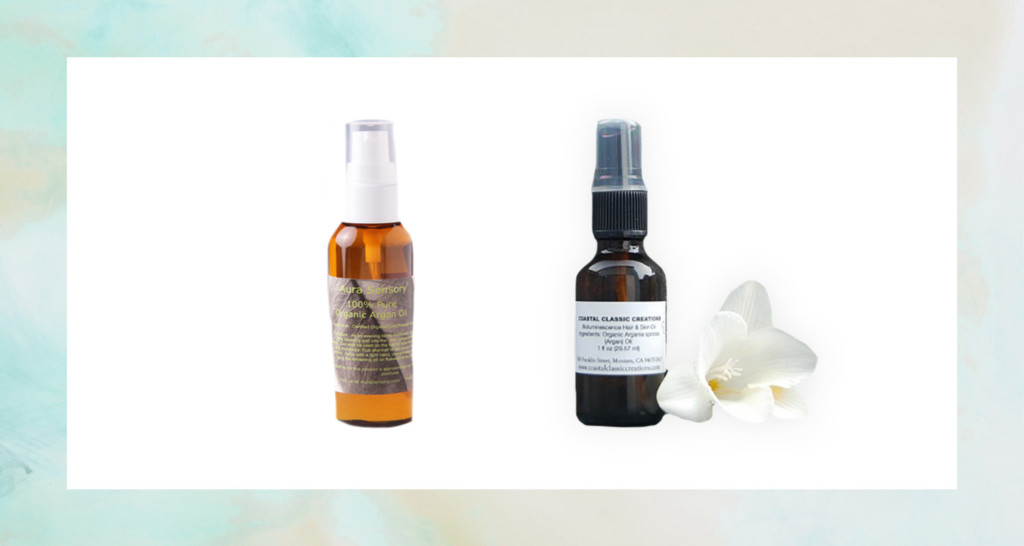
Organic Argan Oil 100% Pure Undiluted, $16.50

This unpressed, undiluted argan oil is as pure as it gets.

Coastal Classic Creations Bioluminescence Argan Hair & Skin Oil, $30

A straight-up argan oil, conveniently packaged in a spray bottle so you can easily apply it to your hair, face, or skin.

Read next: Top Anti-Aging Biohacks for Better Skin


Start hacking your way to better than standard performance and results.

Receive weekly biohacking tips and tech by becoming a Dave Asprey insider.

By sharing your email, you agree to our Terms of Service and Privacy Policy